
STYLE STAR OF THE WEEK: Yumi Shin
The Merchant’s Wardrobe
There are people who consume fashion, and then there are people who quietly shape its future.
Yumi Shin belongs firmly in the second category.

Today, as Executive Vice President of Global Brand Partnerships at Nordstrom, she is responsible for building relationships with many of the world’s most influential luxury houses and helping define what modern luxury retail looks like. Long before this chapter, however, she built her reputation at Barneys New York during the late 1990s—a period many still consider one of the most exciting eras in American luxury retail. Those years weren’t simply about buying clothes. They were about discovering designers before they became household names and introducing customers to an entirely new way of dressing.
That education never left her.
You don’t see it because of a logo.
You see it because of restraint.
Yumi dresses like someone who has spent decades looking at clothes from inches away. Every proportion feels intentional. Every layer has a reason. Nothing feels purchased for the occasion. Everything feels collected over time.
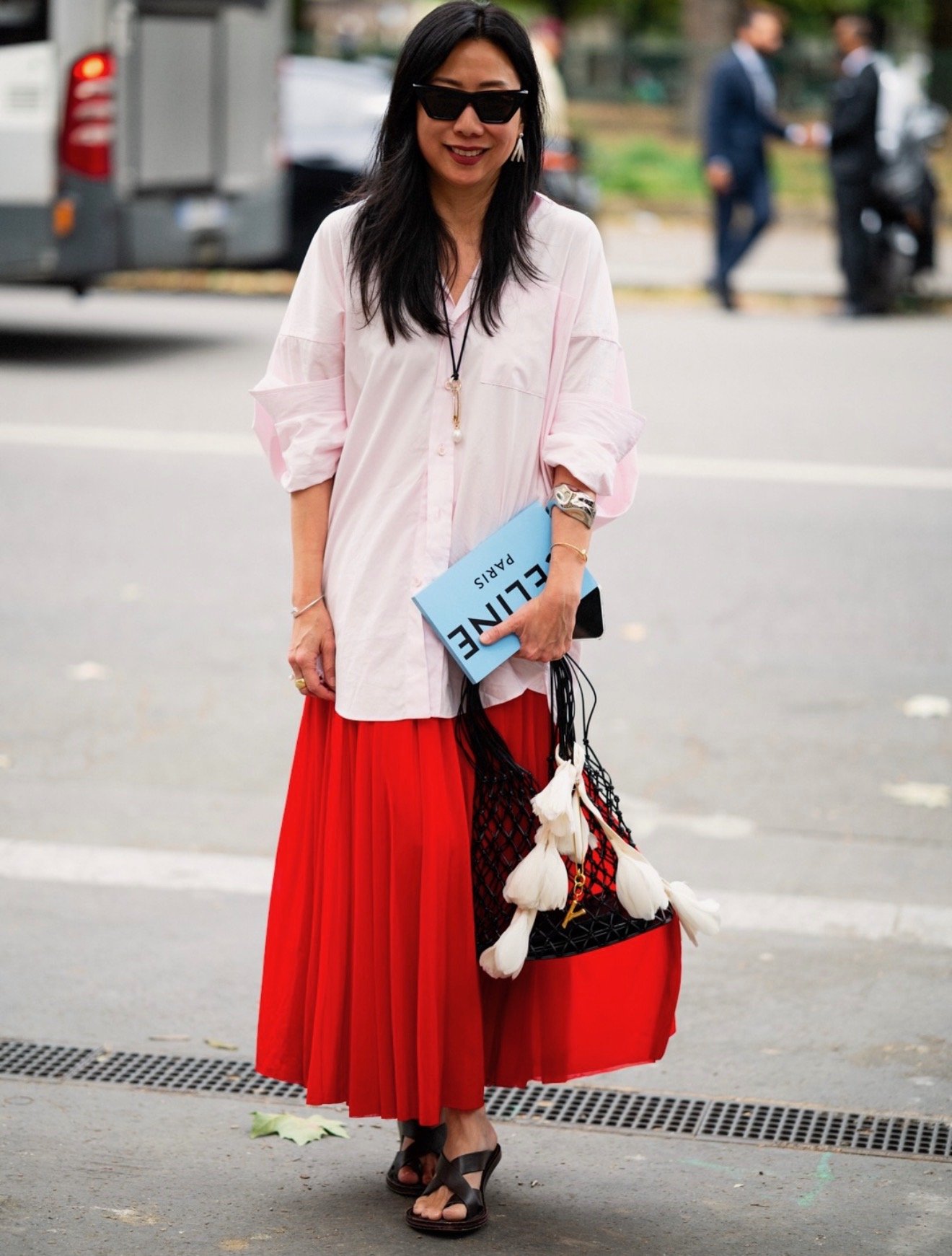
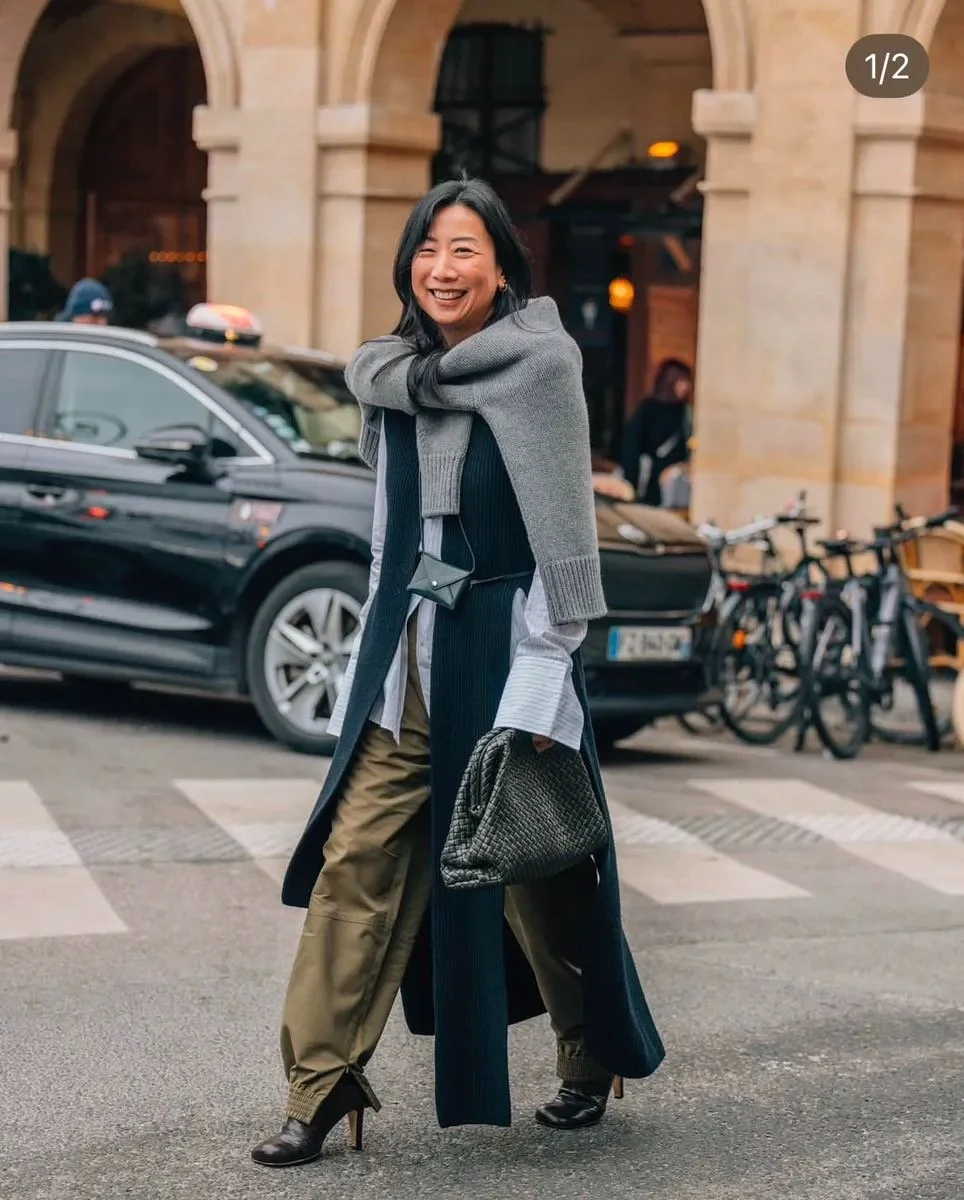
Her wardrobe reads almost like a love letter to Phoebe Philo’s Céline. Archive Céline appears frequently—not as nostalgia, but as proof that truly great design never expires. That same philosophy naturally extends into today’s Phoebe Philo collections, where precision, ease and confidence continue to define modern dressing.
Another constant is Dries Van Noten.
His clothes have always existed somewhere between art and everyday life, and they fit perfectly into Yumi’s wardrobe. Rich textiles, thoughtful color, subtle prints and unexpected layering become less about making a statement and more about building a lasting personal vocabulary.
Perhaps what makes her style so compelling is the way she balances masculine and feminine elements without ever making it feel intentional.
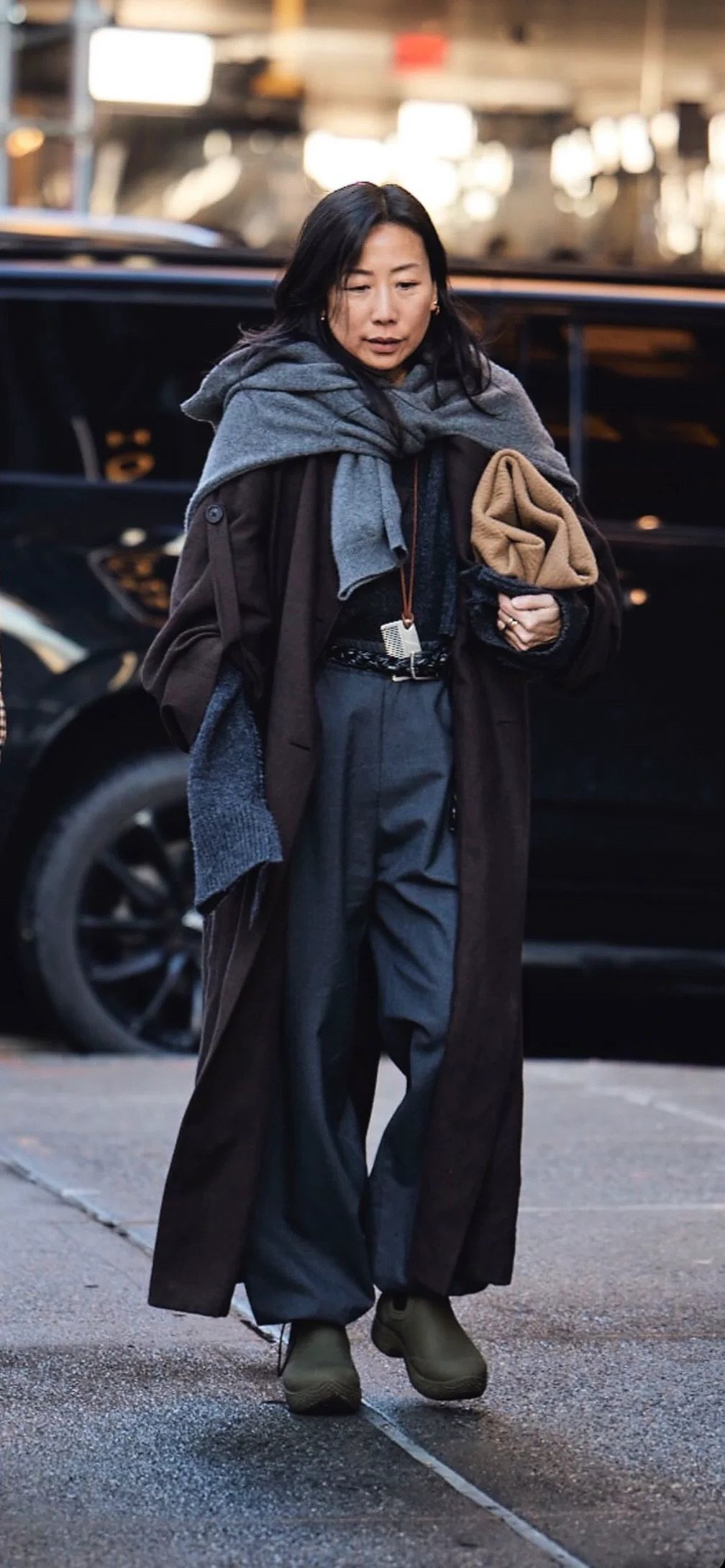
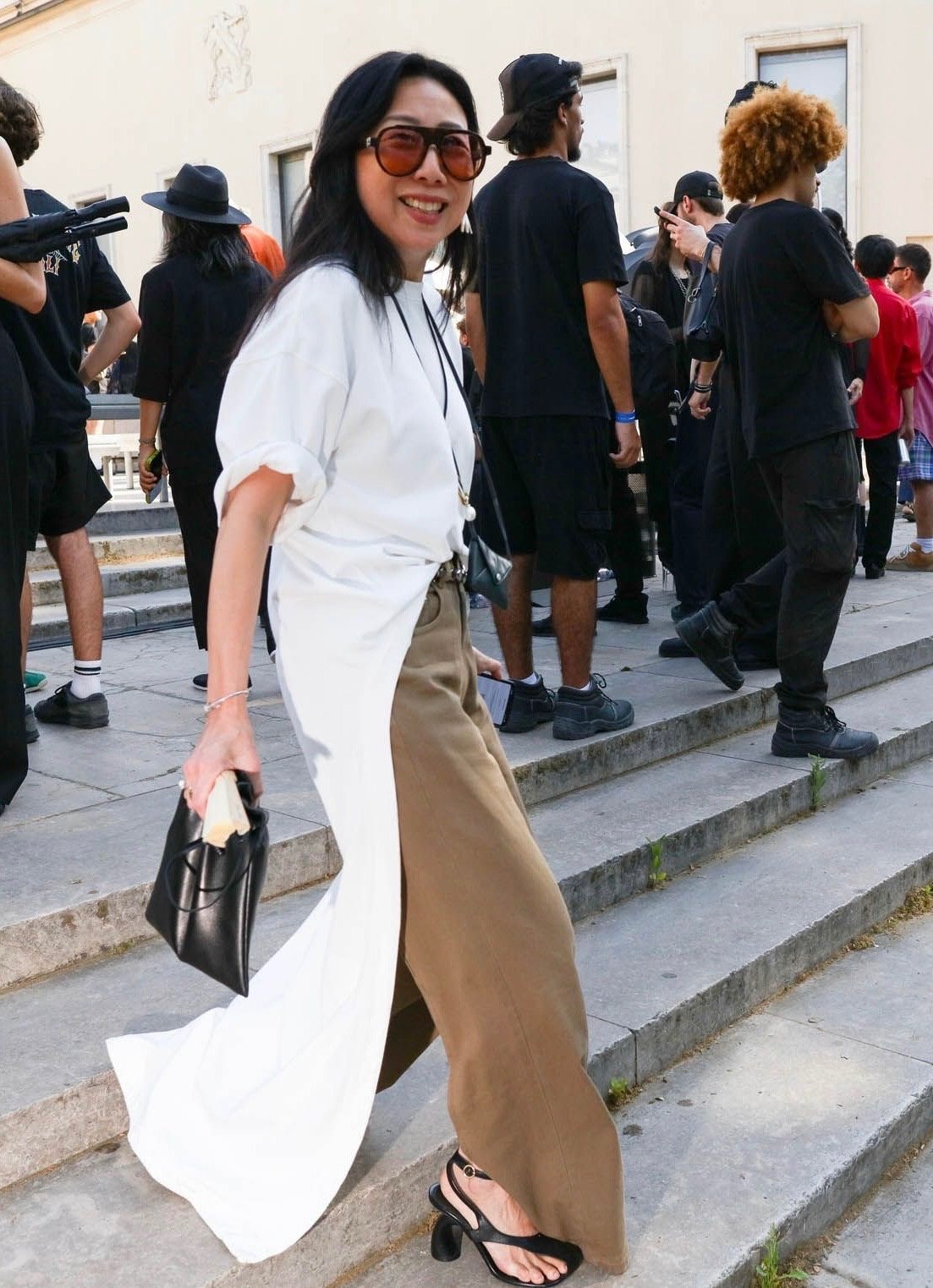
Oversized men’s shirting softens delicate skirts.
Relaxed tailoring meets flowing silhouettes.
A structured coat sits effortlessly over a romantic dress.
Flat sandals replace high heels.
Nothing competes for attention because every piece understands its role.
It feels remarkably relevant in a moment when fashion often rewards immediacy.
Yumi reminds us that the best wardrobes are edited over decades, not seasons.
As someone who has spent nearly two decades working in luxury retail myself, I’ve always believed the most interesting people in fashion aren’t necessarily the ones sitting in the front row.
They’re often the ones quietly making decisions behind the scenes—buyers, merchants and editors whose taste influences entire generations without ever asking for recognition.
Yumi Shin is one of those people.
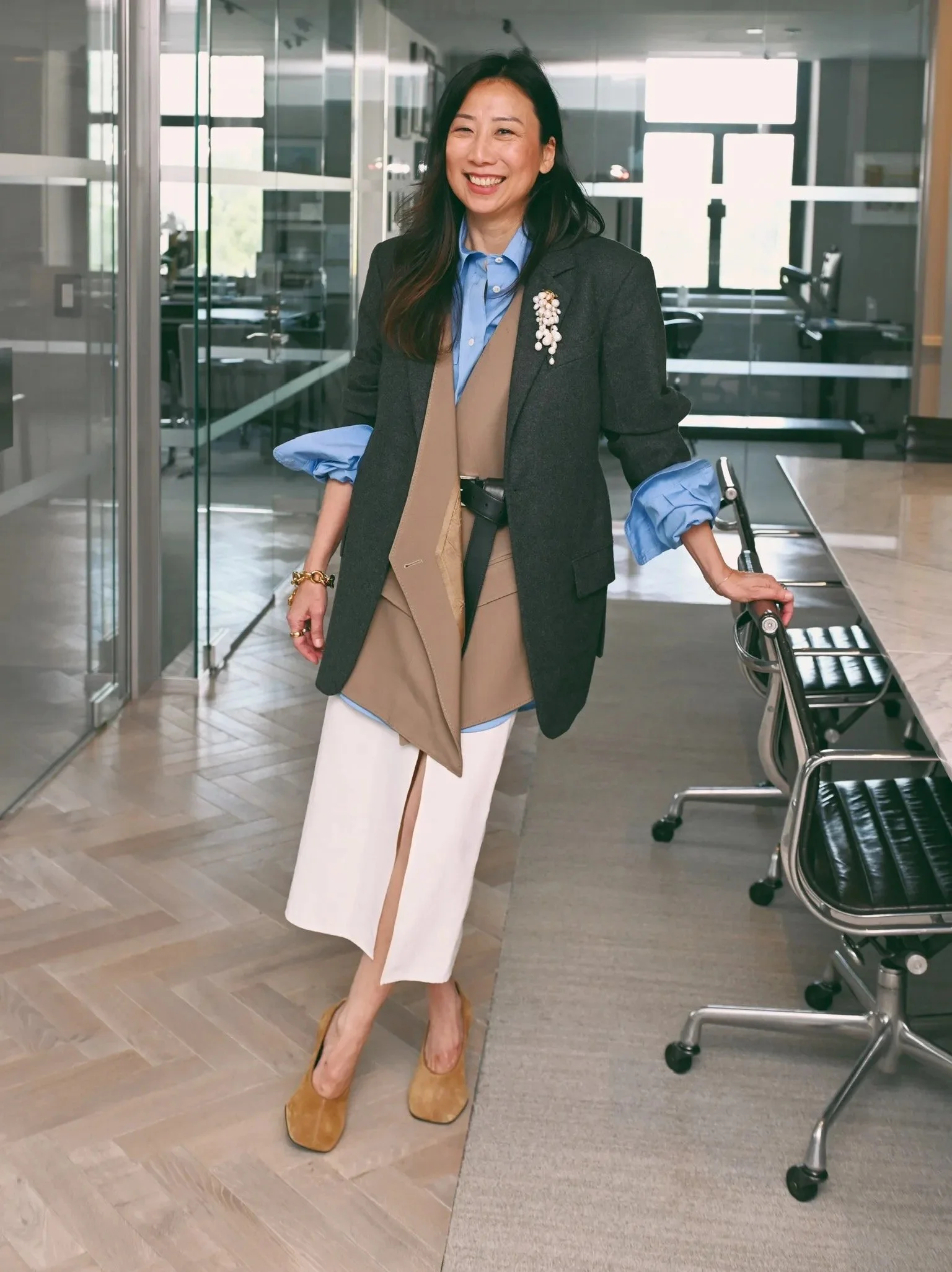
Her wardrobe isn’t aspirational because it’s expensive.
It’s aspirational because it reflects something much harder to acquire:
A point of view.
And in fashion, that’s the one thing that never goes out of style.
— Olya Dz.
