
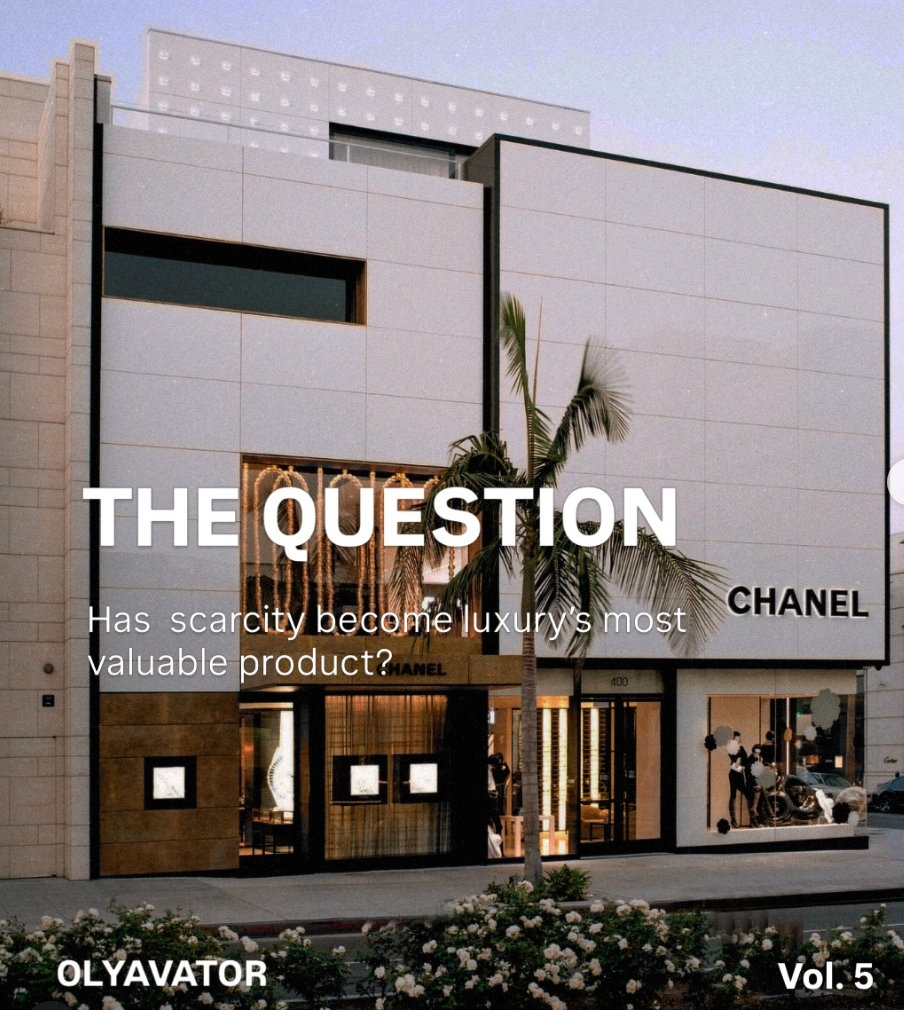
The recent conversation surrounding Chanel has dominated fashion headlines—not simply because of allegations discussed during court proceedings in Hong Kong, but because it reopened a much larger discussion about how the luxury industry manages exclusivity. Chanel has stated that the destruction figures cited in testimony do not reflect its current global practices and says unsellable products are now directed through recycling initiatives.
For many readers, the story ended there.
For me, that’s where it began.
I found myself asking a different question altogether.
How does a luxury house, one that prides itself on meticulous forecasting, controlled production, and carefully managed distribution, arrive at a point where excess inventory exists at all?
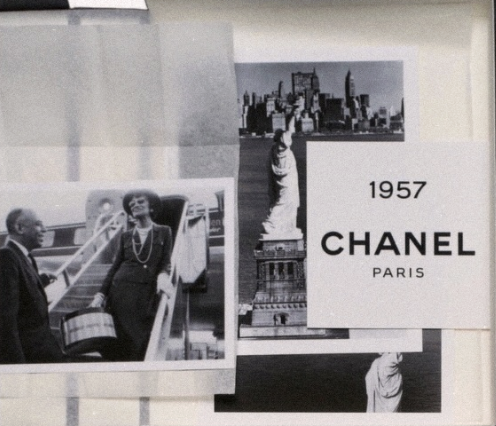
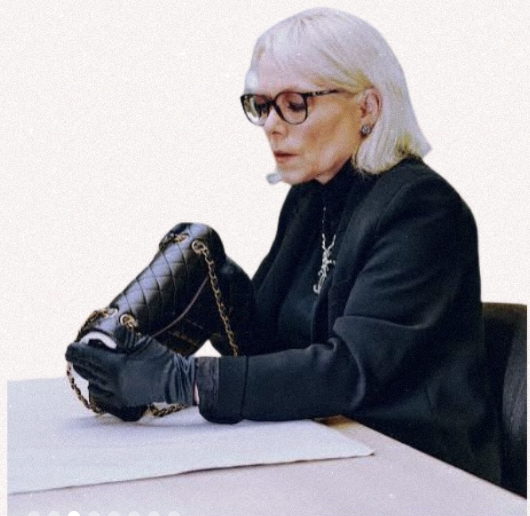
Luxury has always distinguished itself from mass retail through precision. Collections are developed months, sometimes years, before they reach boutiques. Production quantities are intentionally limited. Distribution is tightly controlled. Prices are protected. Every decision is designed to reinforce the perception of rarity.
Scarcity has never been an accident.
Yet anyone who has spent time shopping luxury knows another side of the story.
“It’s unavailable.”
“We’ll let you know if one arrives.”
“Perhaps next season.”
Those phrases have become almost synonymous with the luxury experience. They create anticipation, reinforce exclusivity, and often strengthen the emotional value of an object before it is even purchased.
But they also raise an uncomfortable question.
If products ultimately remain unsold, where were they while loyal clients were searching for them?
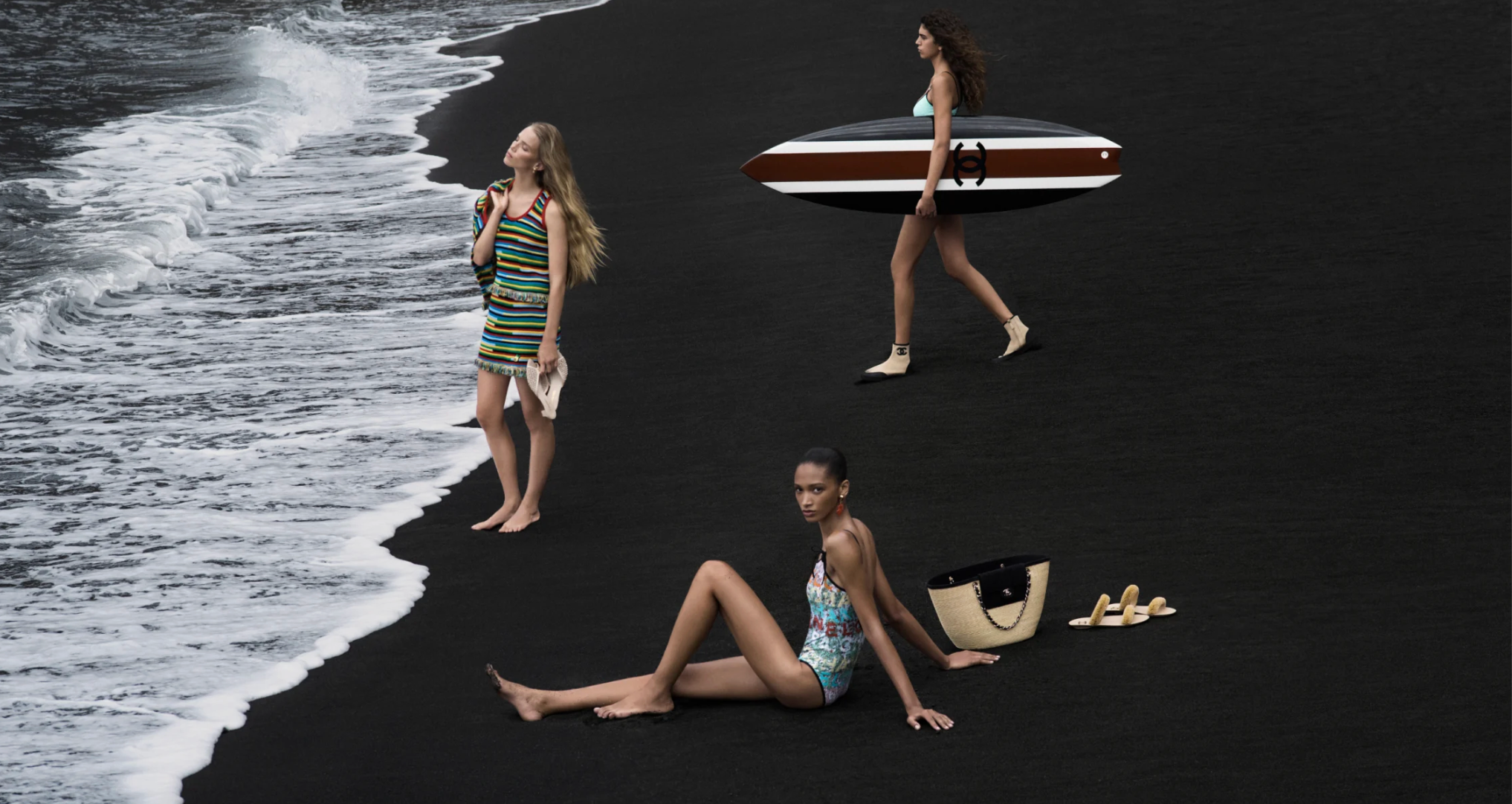
The answer is likely more complex than a single warehouse filled with handbags. Luxury inventory is fragmented across markets, regional allocations, private client programs, and future retail strategies. A product unavailable in one boutique may exist elsewhere in the world, reserved for another market or another customer.
Still, the existence of excess inventory invites us to examine the system itself.
Behind every luxury product is an extraordinary amount of human work. Designers sketch ideas years before they appear in stores. Artisans spend countless hours constructing each piece. Leather is sourced. Hardware is engineered. Quality is inspected repeatedly before an item reaches a boutique.
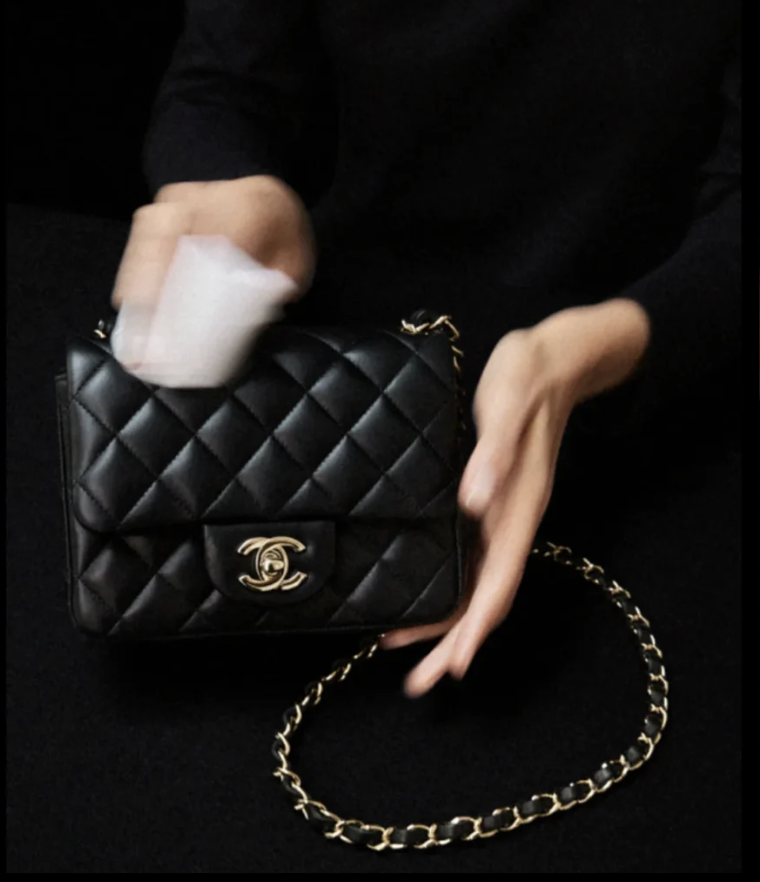
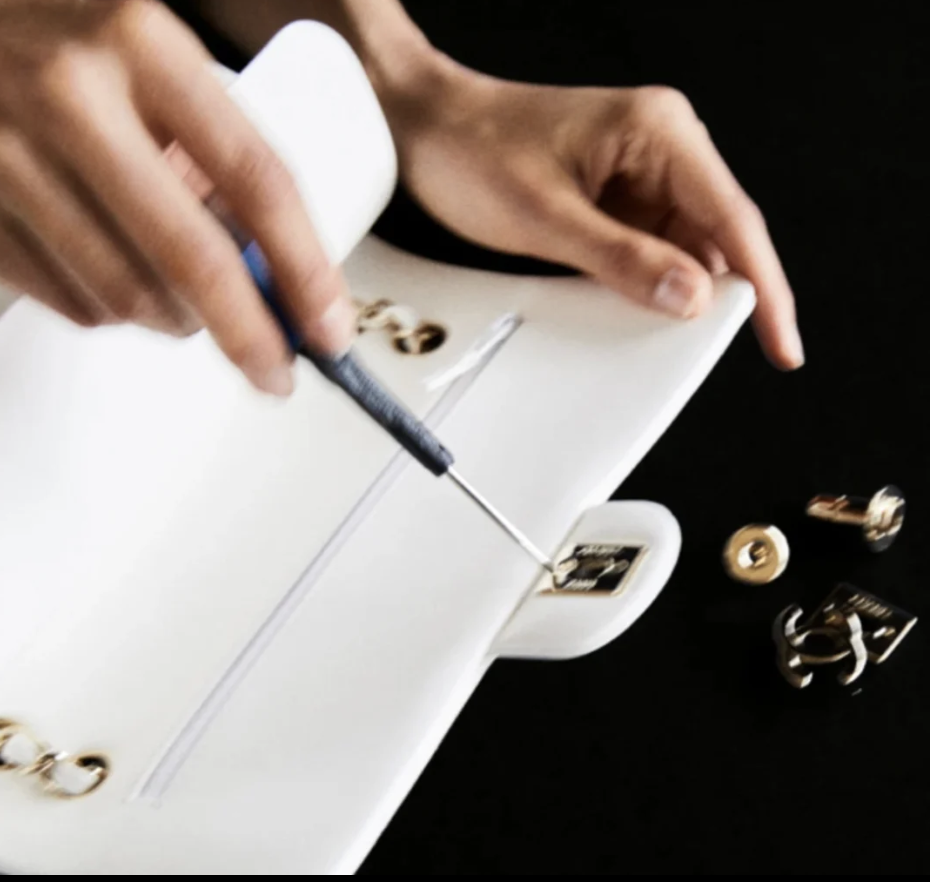
When a finished product never reaches the person it was created for, the discussion extends far beyond inventory management.
It becomes a conversation about craftsmanship, labor, sustainability, and responsibility.
For decades, scarcity protected luxury because it protected quality.
It ensured that products remained exceptional rather than abundant.
But somewhere along the way, scarcity itself became part of the experience. Waiting lists, purchase histories, client rankings, and restricted access became almost as desirable as the products themselves.
That evolution is worth discussing.
Not because exclusivity is inherently wrong.
Luxury should remain exclusive. It should remain aspirational. It should continue celebrating exceptional craftsmanship and design.
The question is whether today’s definition of exclusivity still serves those values—or whether, in some cases, it has become a strategy that deserves to be reconsidered.
After nearly twenty years working with luxury clients, I don’t believe people fall in love with luxury because they’re told “no.”
They fall in love with extraordinary design. They fall in love with impeccable construction. They fall in love with emotion, heritage, and the confidence that a beautifully made object can inspire.
Perhaps that’s where the future of luxury lies.
Not in making products harder to obtain.
But in making them more meaningful to own.
Because if scarcity becomes more valuable than craftsmanship itself…
what exactly are we buying?
- Olya Dz.
