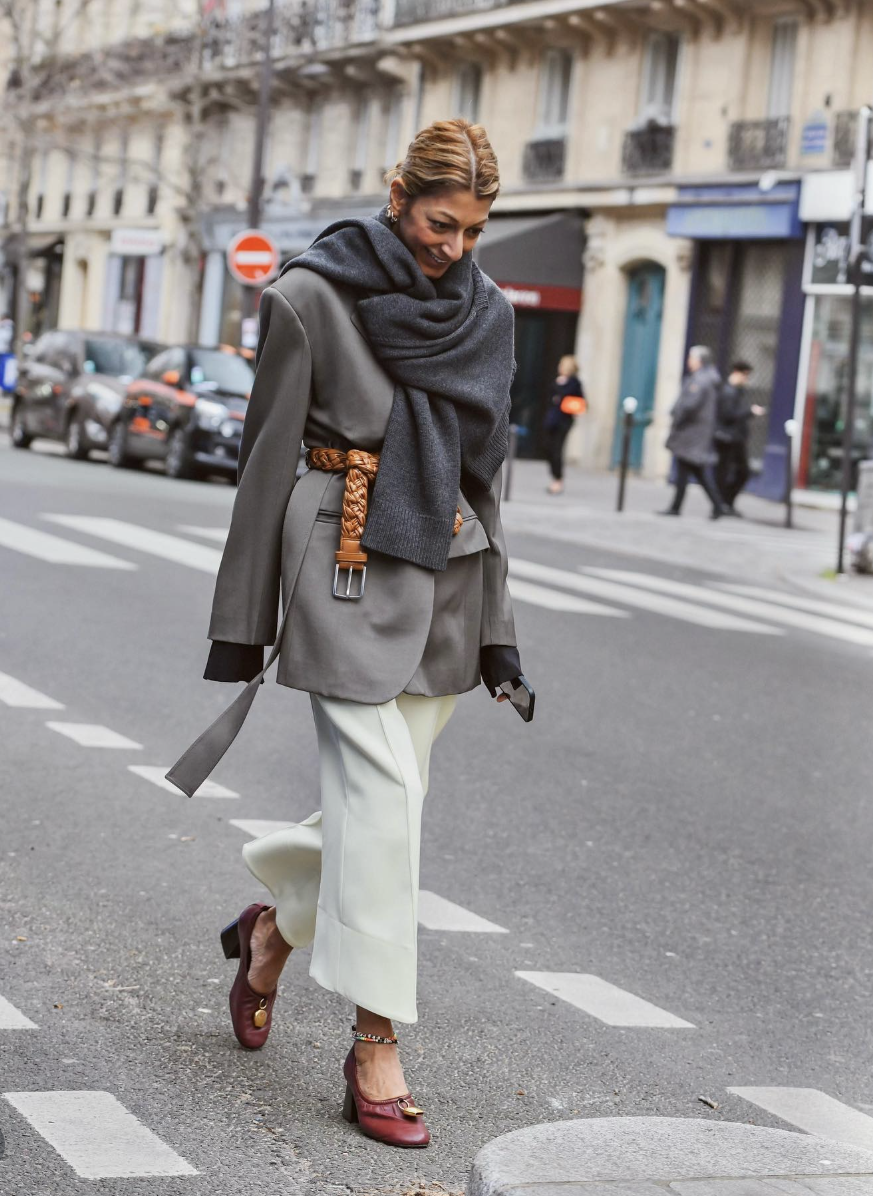
Style Star of the Week: Ramya Giangola
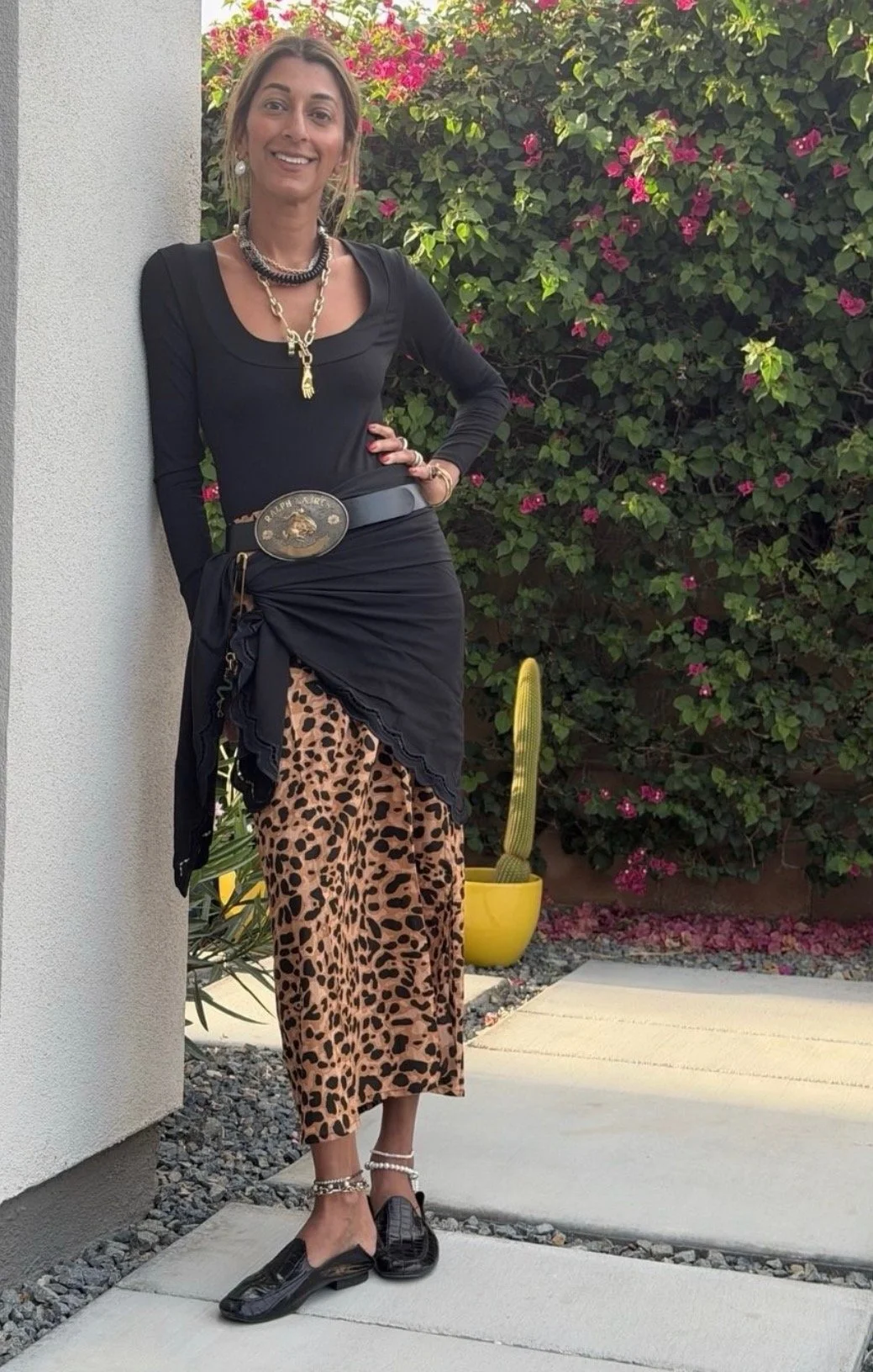
There are people who work in fashion, and then there are people who spend a lifetime observing it.
Ramya Giangola belongs firmly in the second category.
As a brand consultant and strategist, she has spent years helping some of the world’s most respected luxury brands and retailers understand what comes next. Her work has taken her across markets, cultures, and consumer behaviors, giving her a perspective that extends far beyond the runway.
Perhaps that is why her personal style feels so immune to trends.
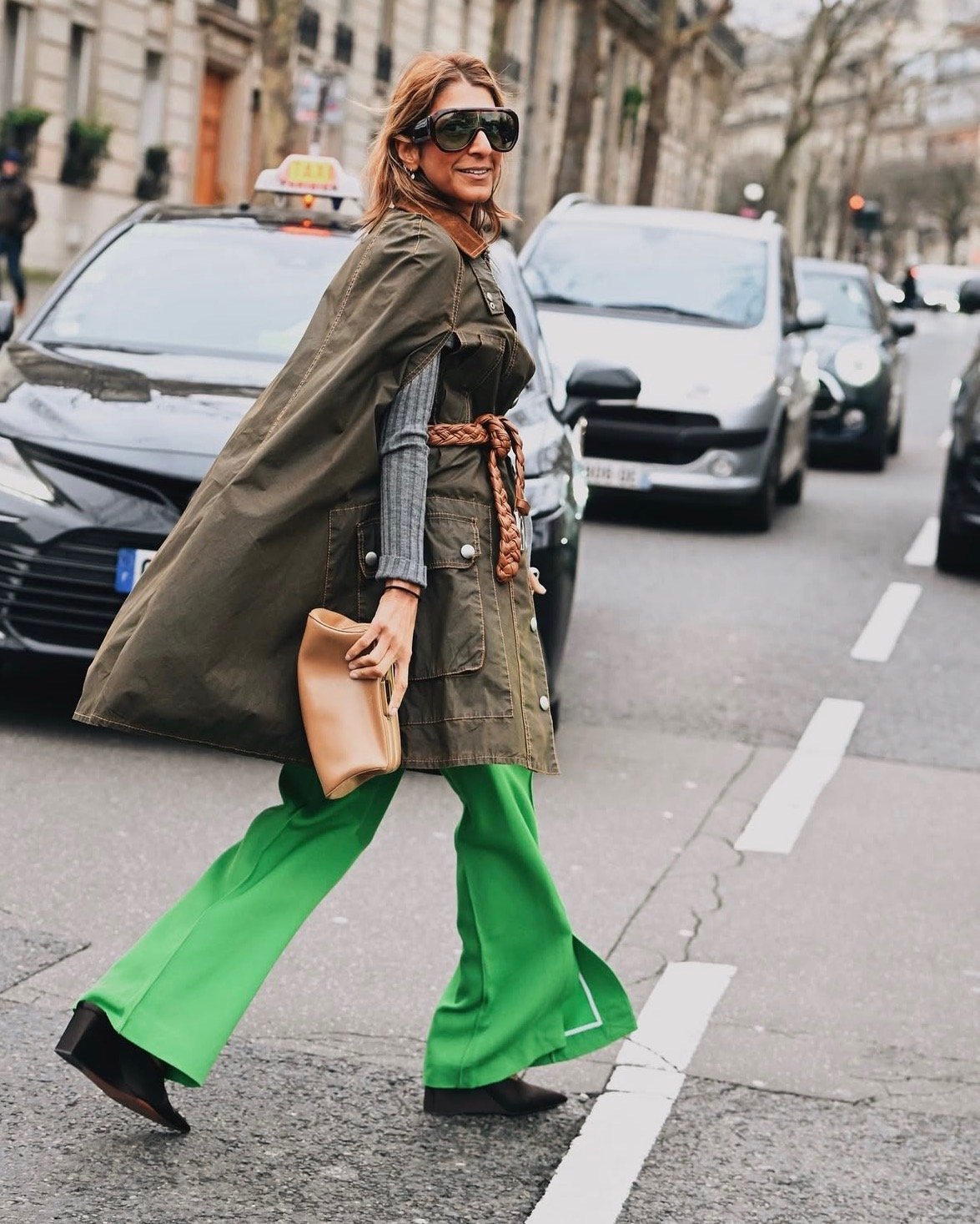
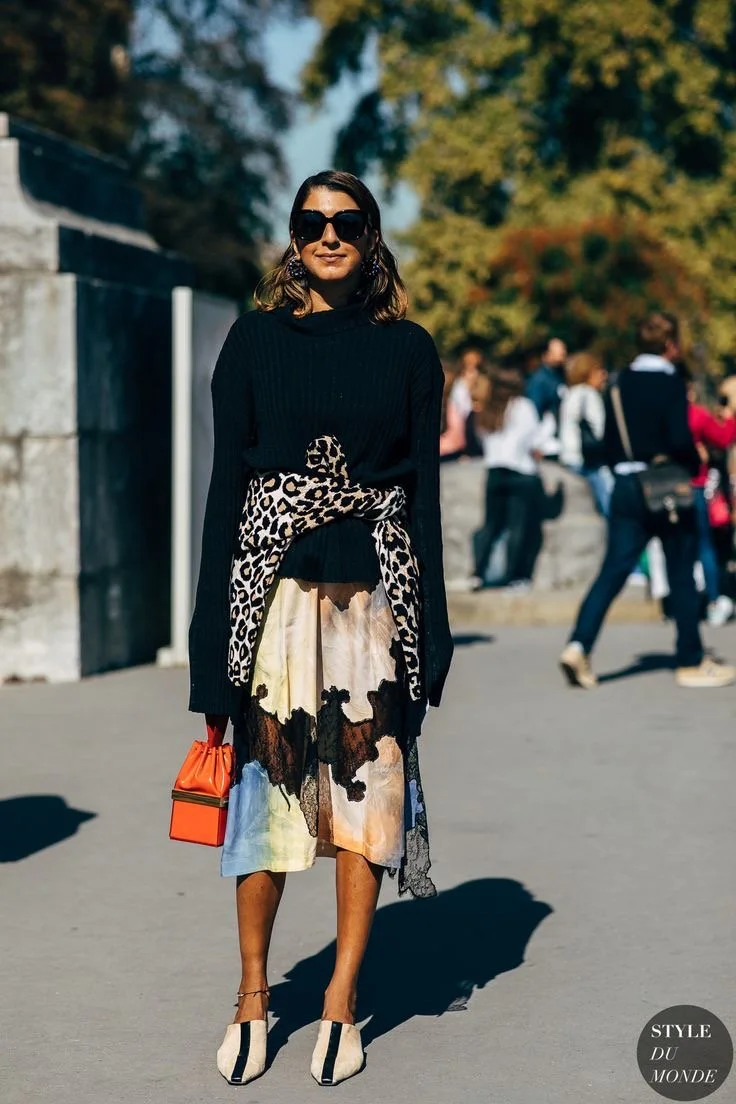
While many wardrobes are built around what is currently fashionable, Ramya’s wardrobe appears to be built around what continues to fascinate her.
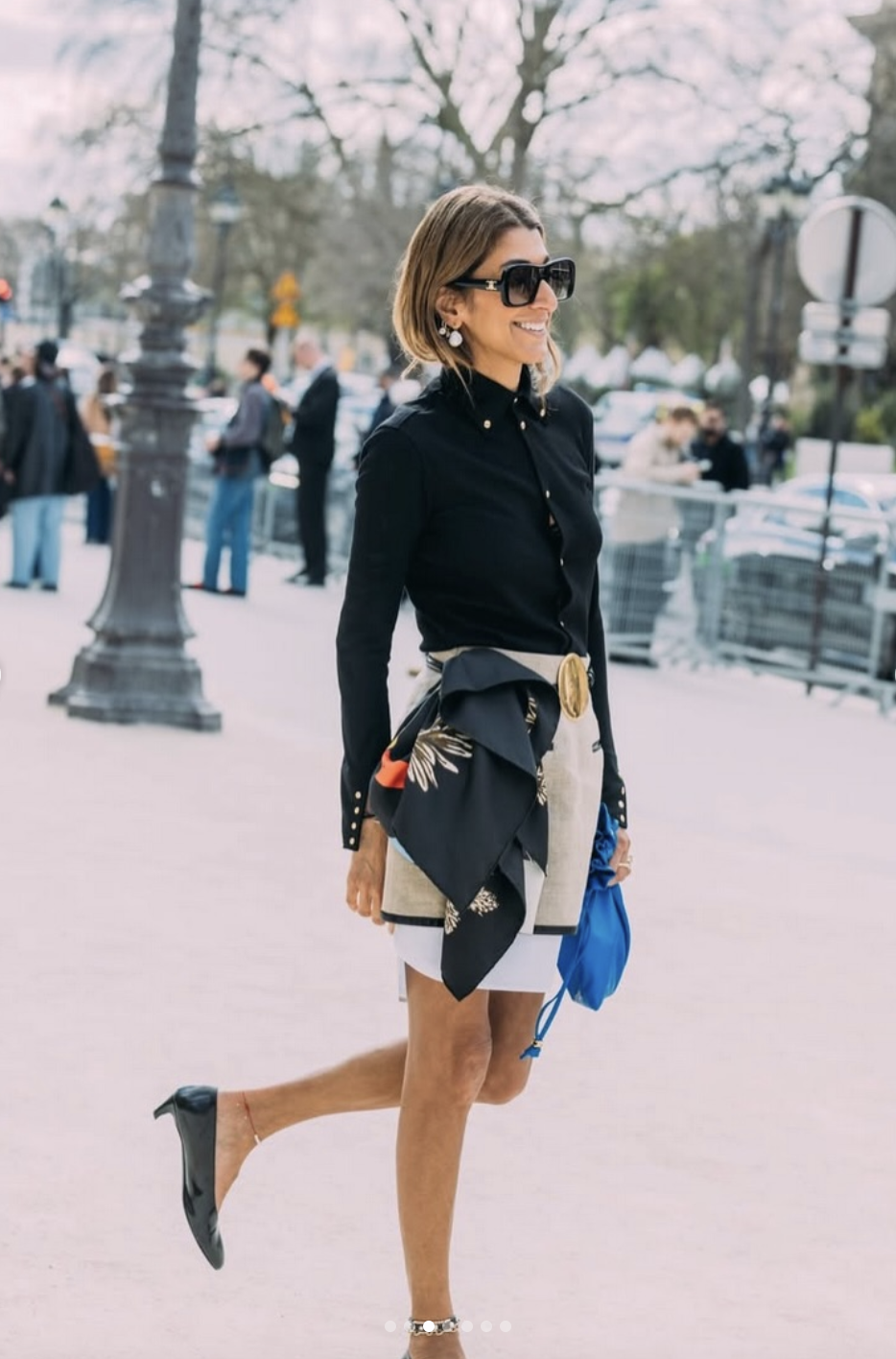
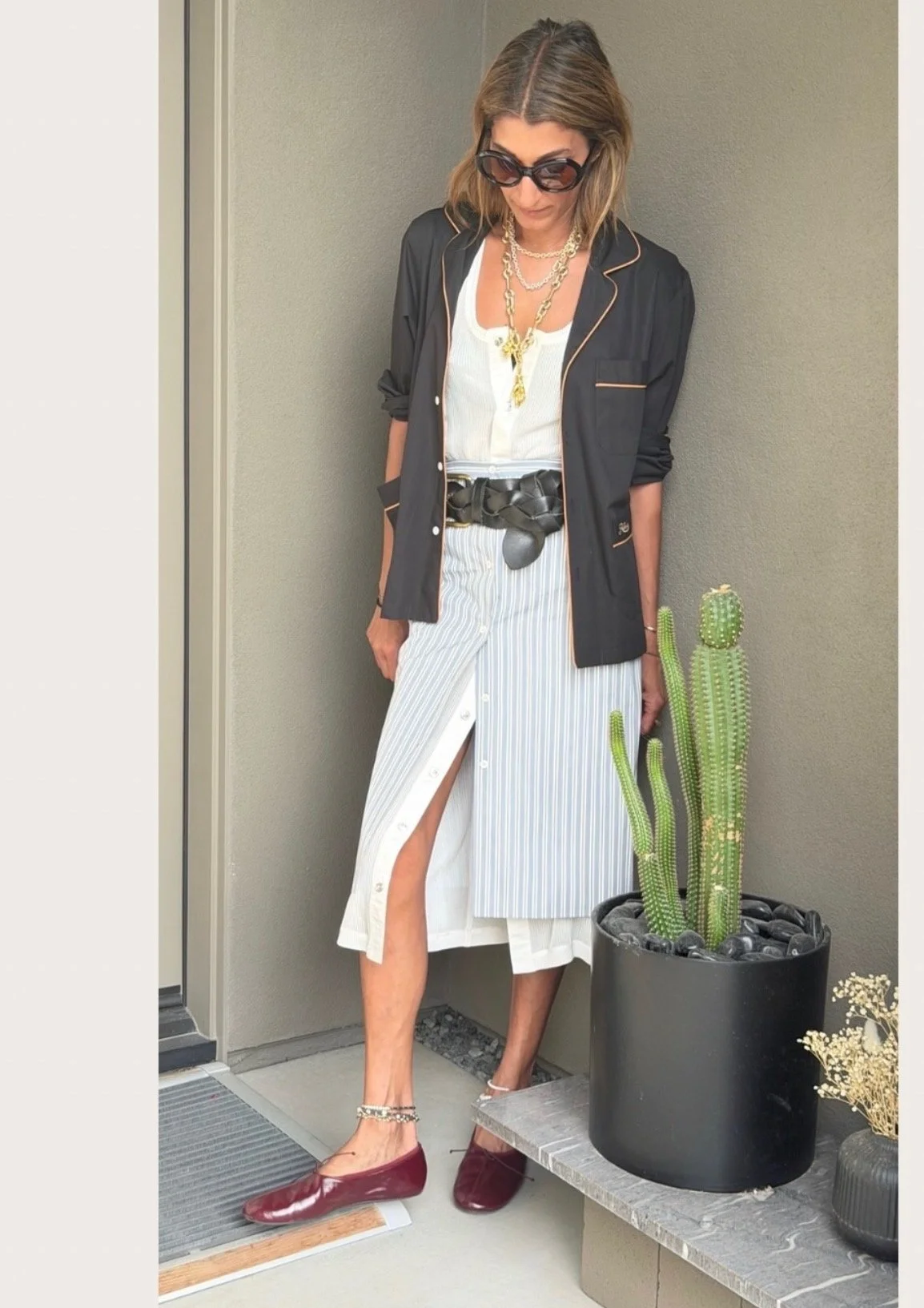
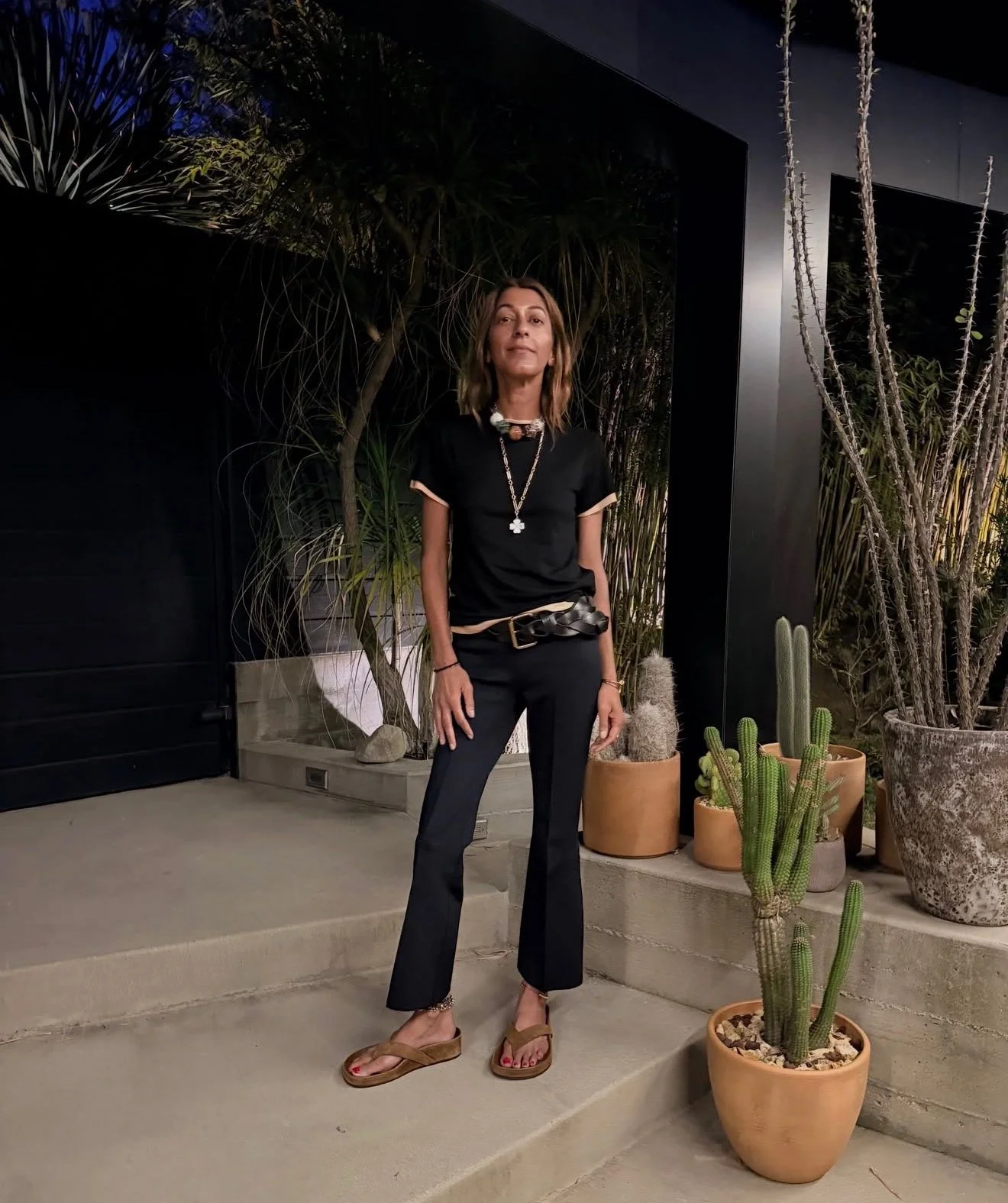
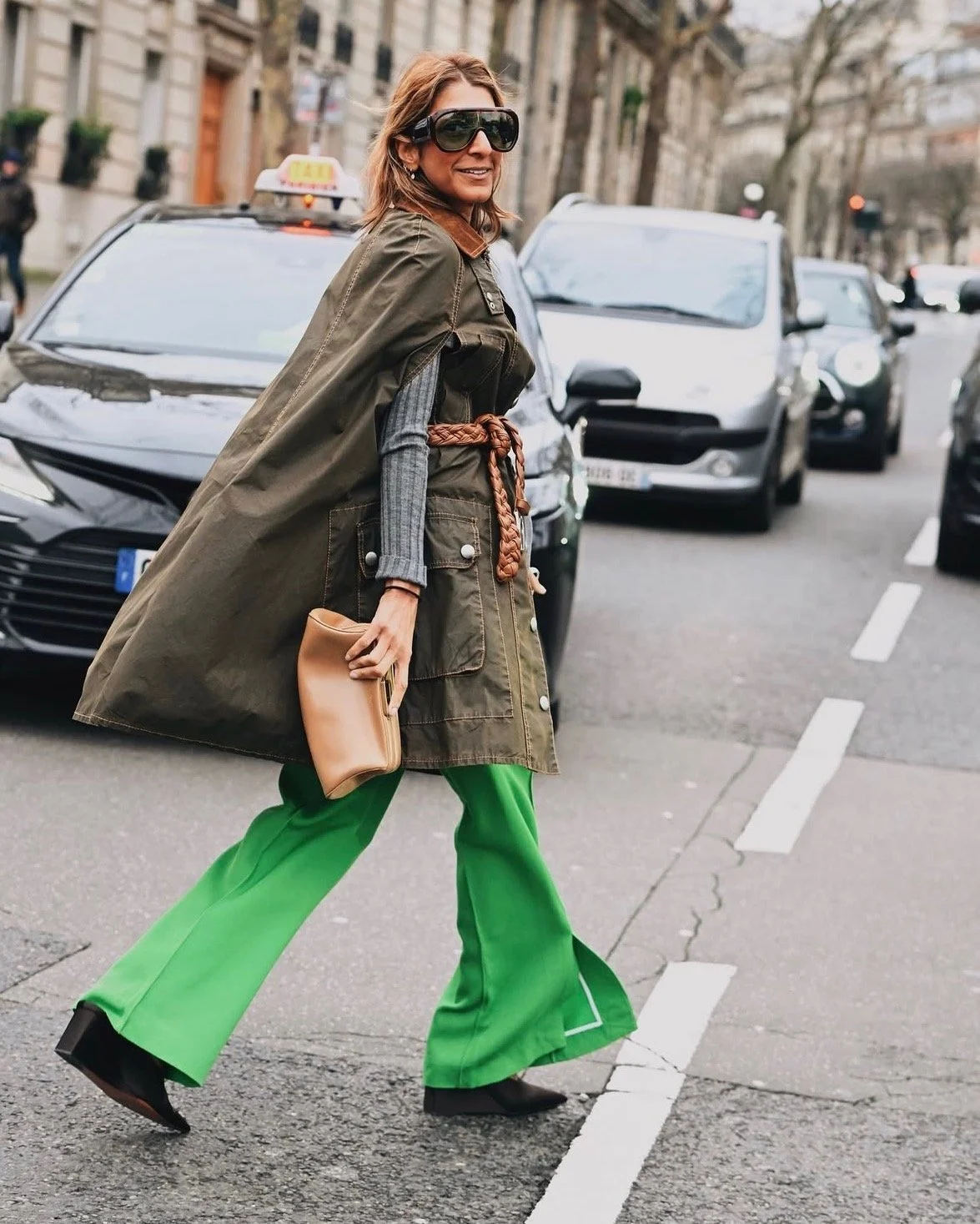
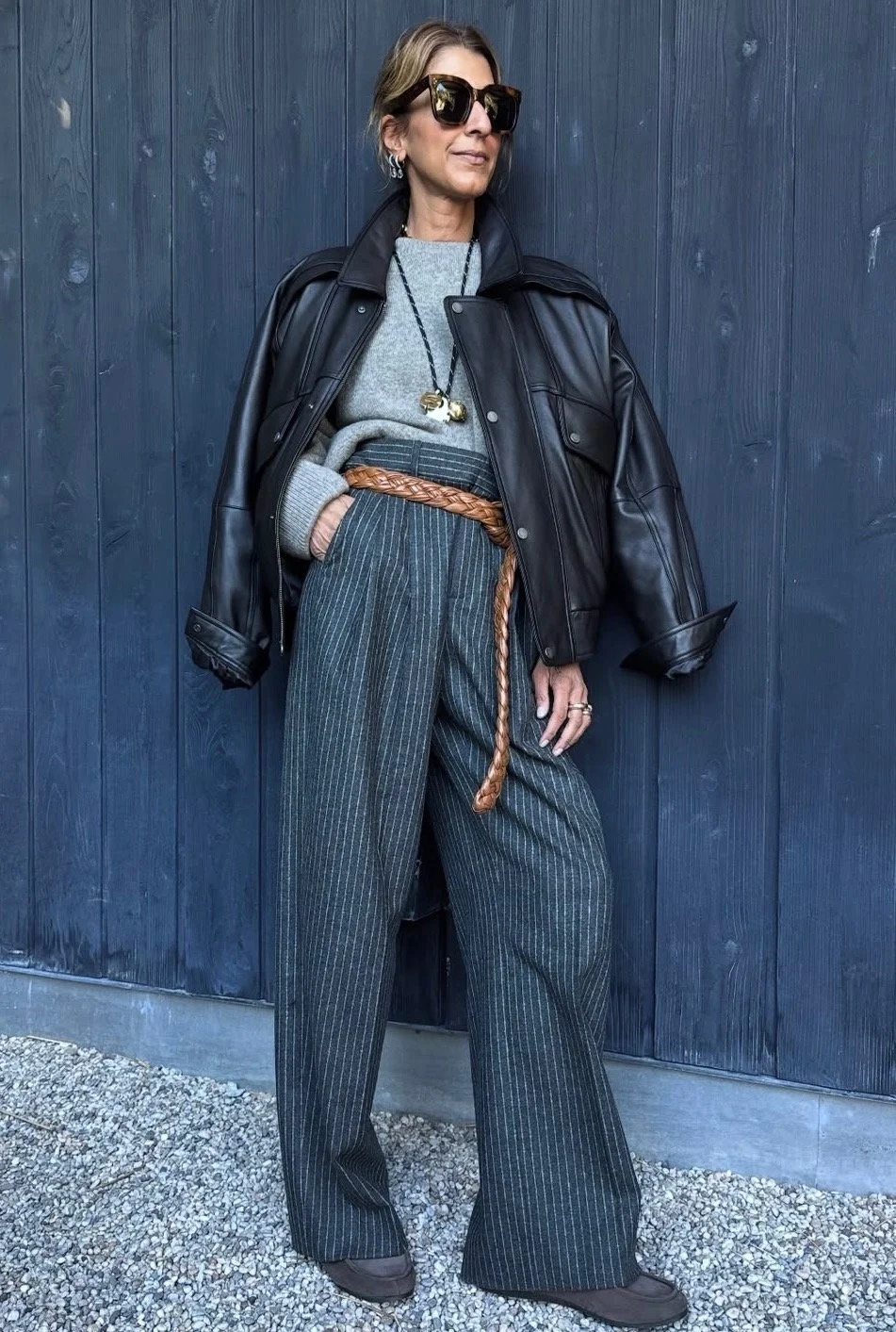
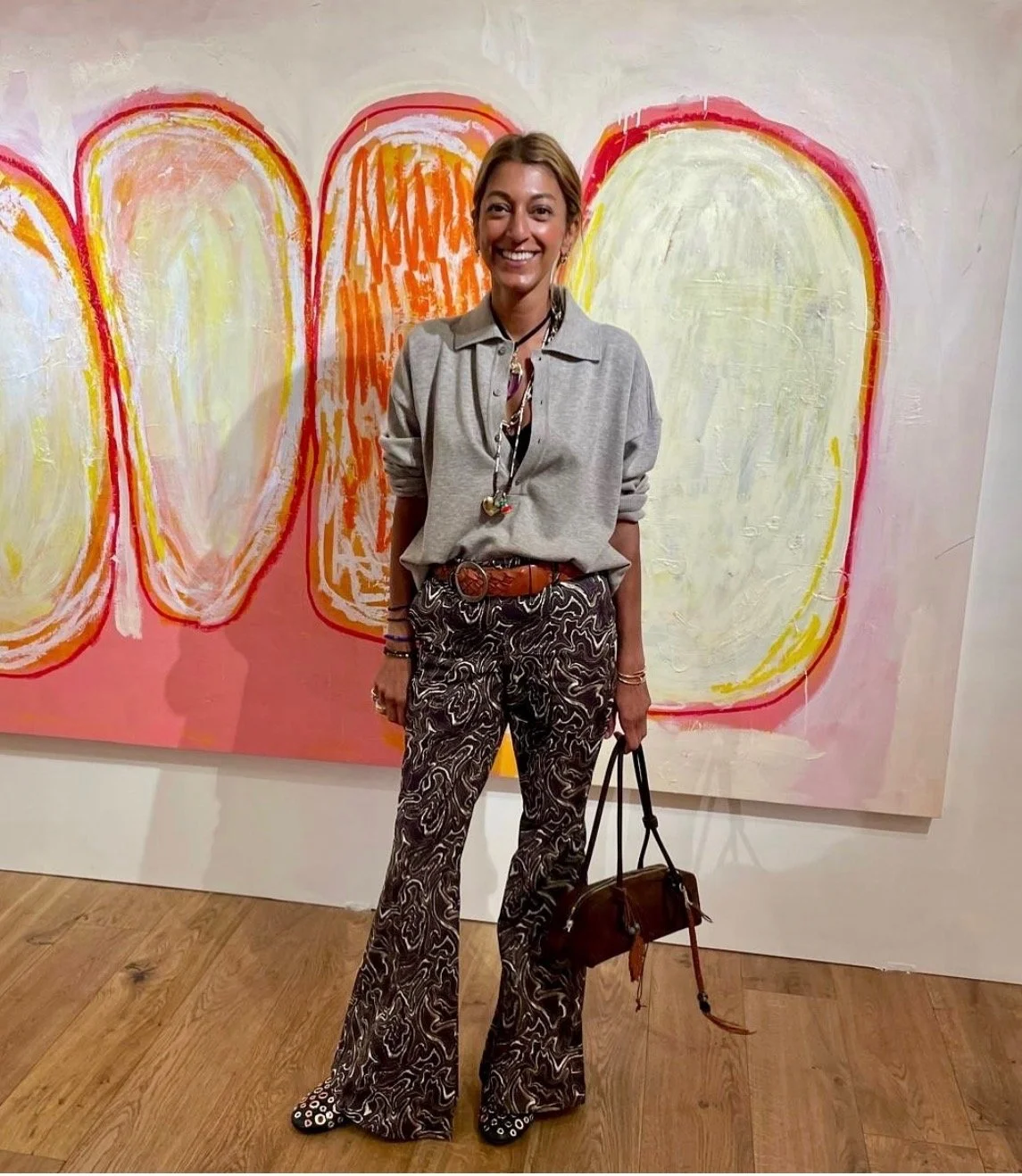
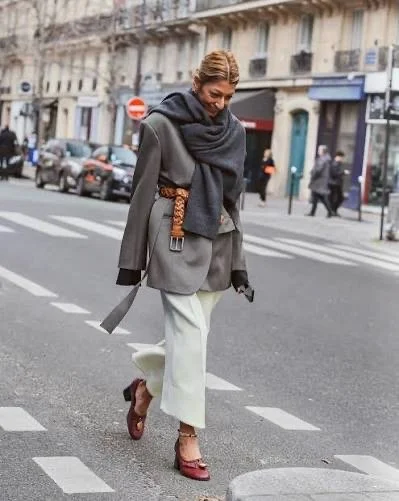
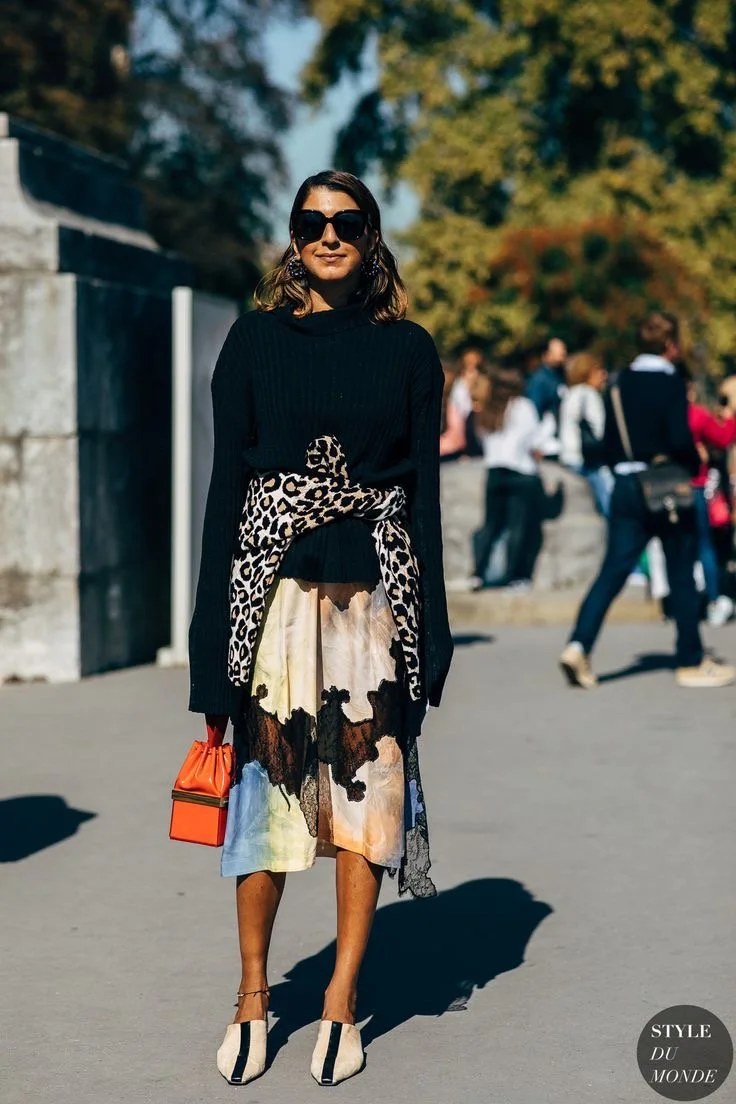
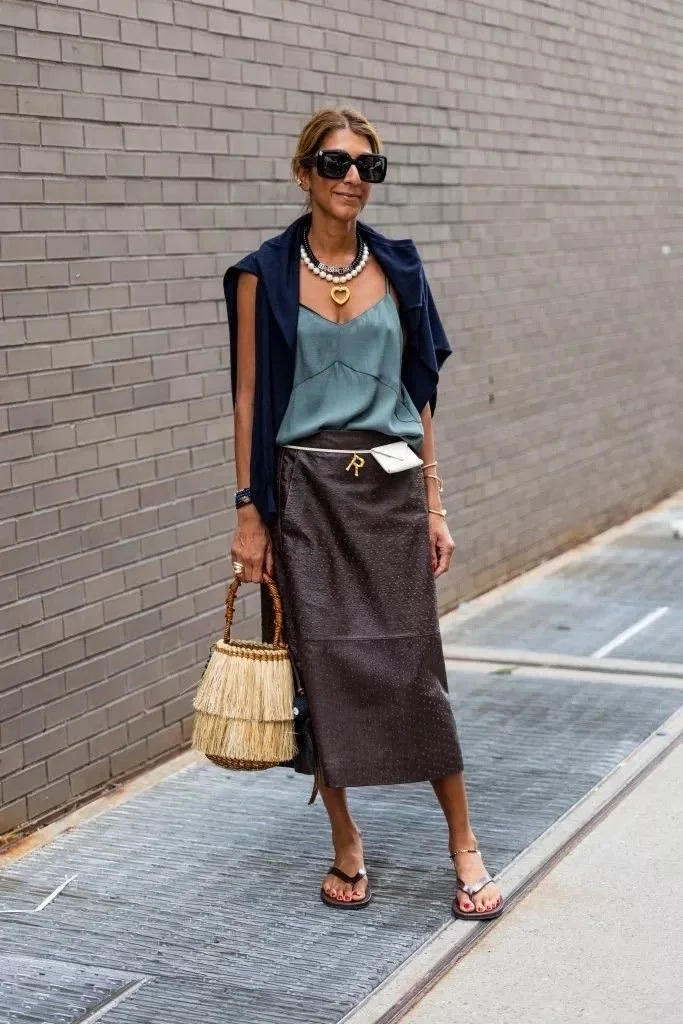
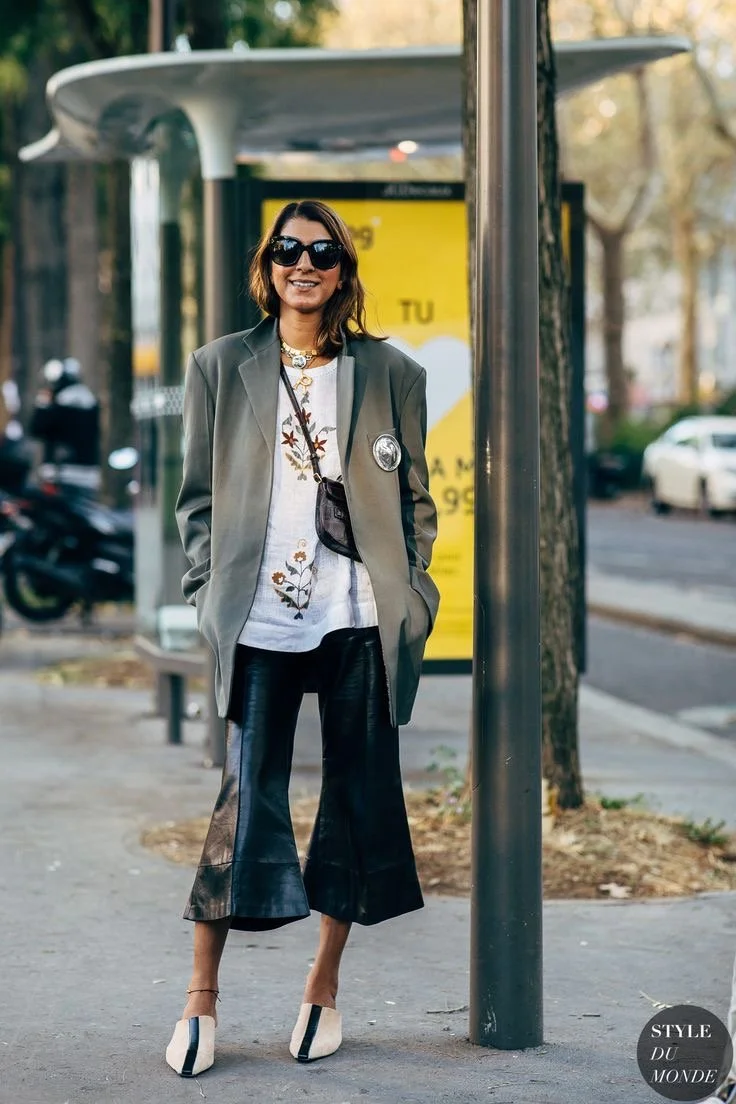
A woven belt collected years ago. An embroidered blouse discovered somewhere along the way. A necklace that feels more important than the outfit itself. A scarf tied where a belt should be. Every look feels less assembled than accumulated.
What makes her style particularly interesting is the balance between intellectual fashion and emotional fashion.
You can see her appreciation for Old Celine under Phoebe Philo in the way she approaches dressing. The emphasis on proportion rather than decoration. The confidence of restraint. The belief that clothes should support a life rather than perform for one.
At the same time, she remains equally interested in the current chapter of Celine. Not because it resembles the past, but because she approaches fashion the way collectors approach art: with curiosity rather than loyalty.
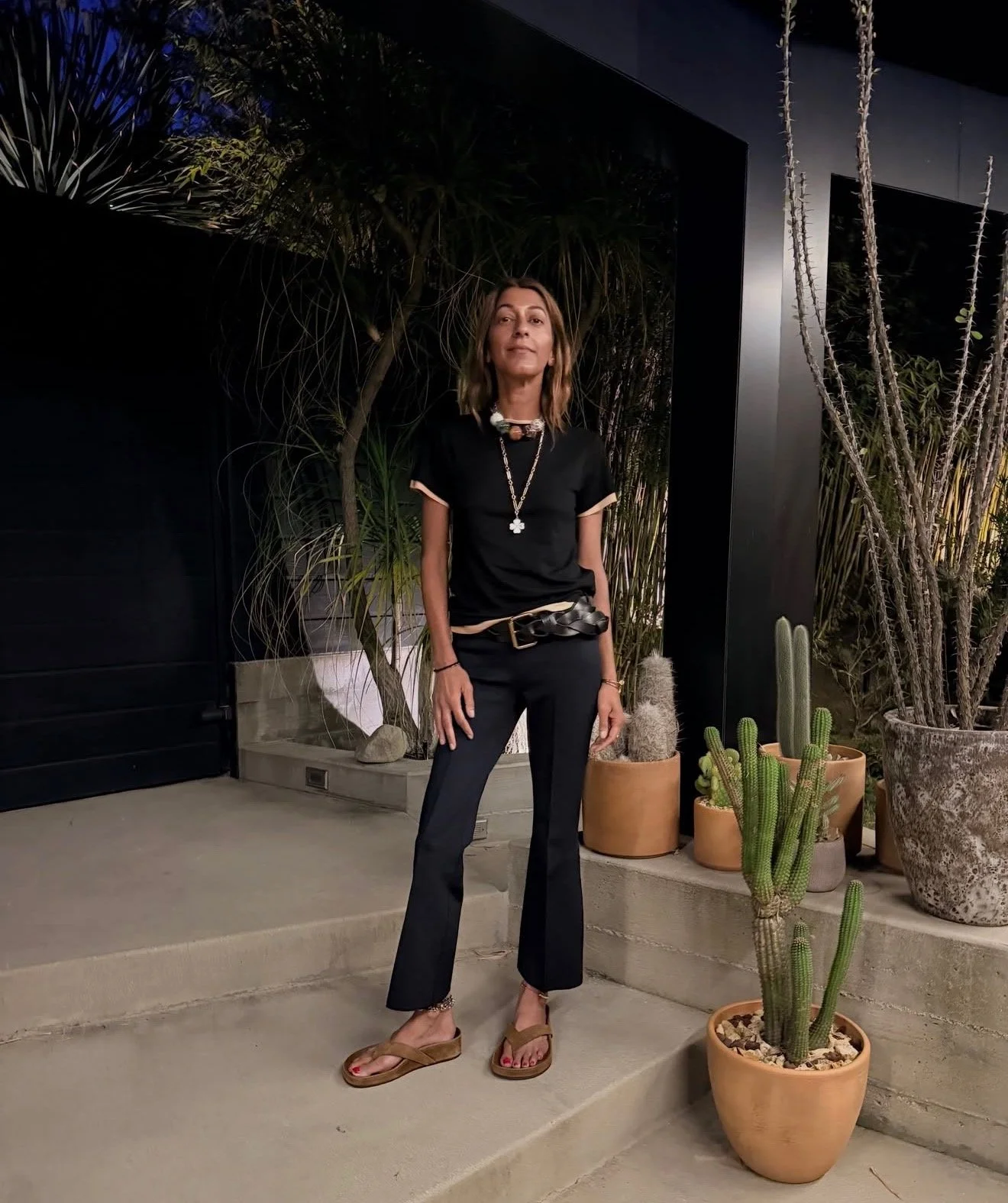
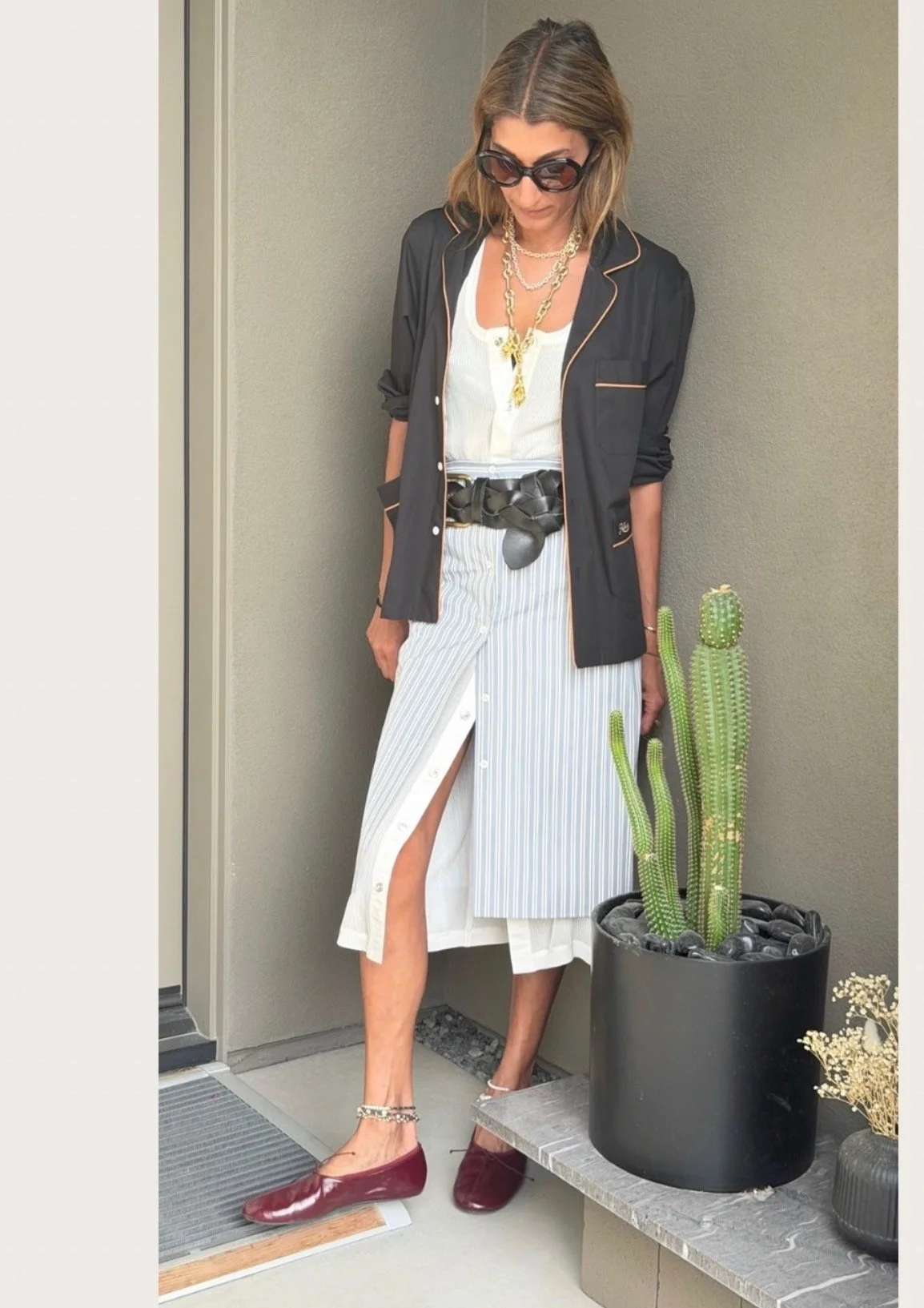
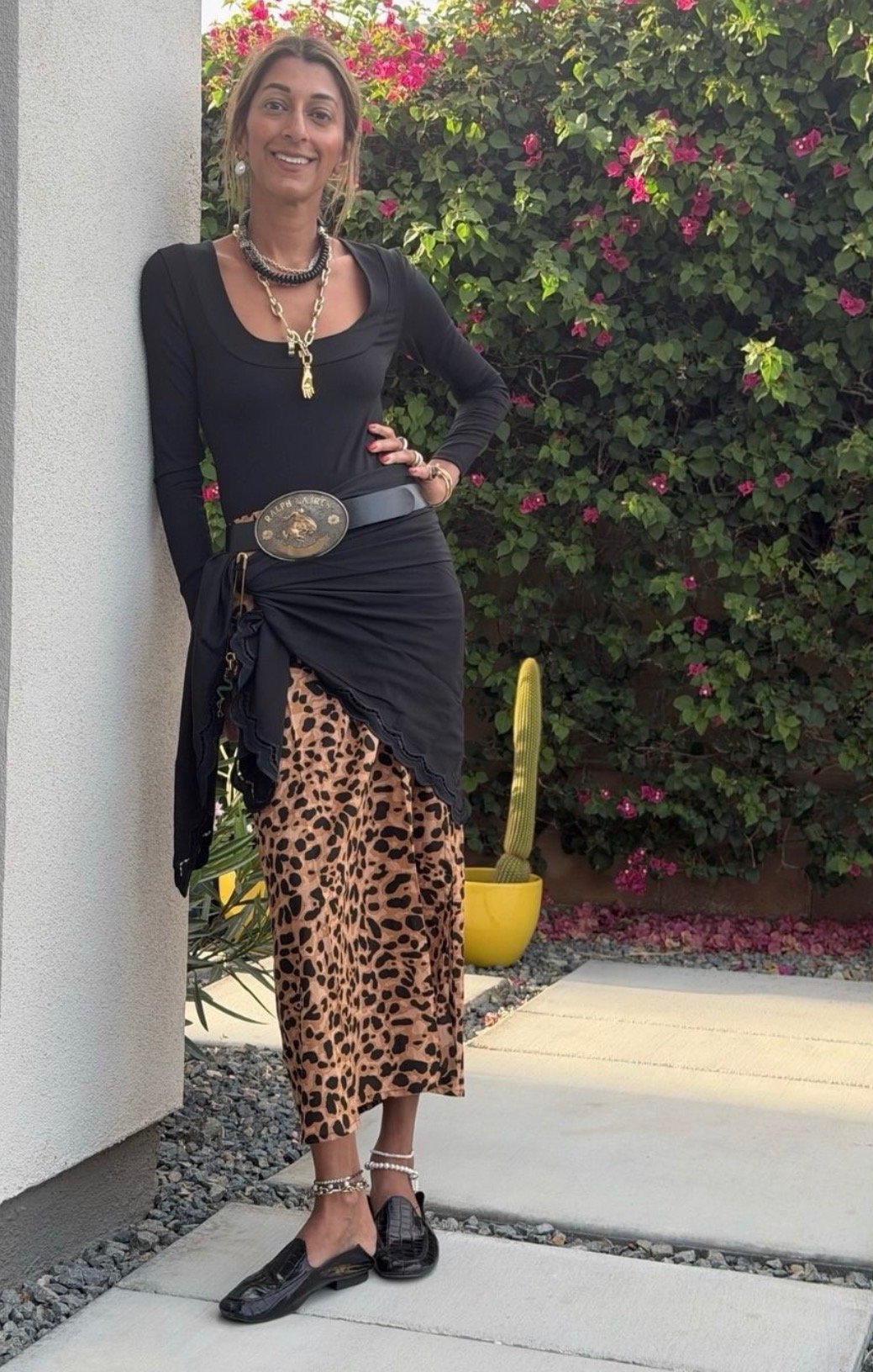
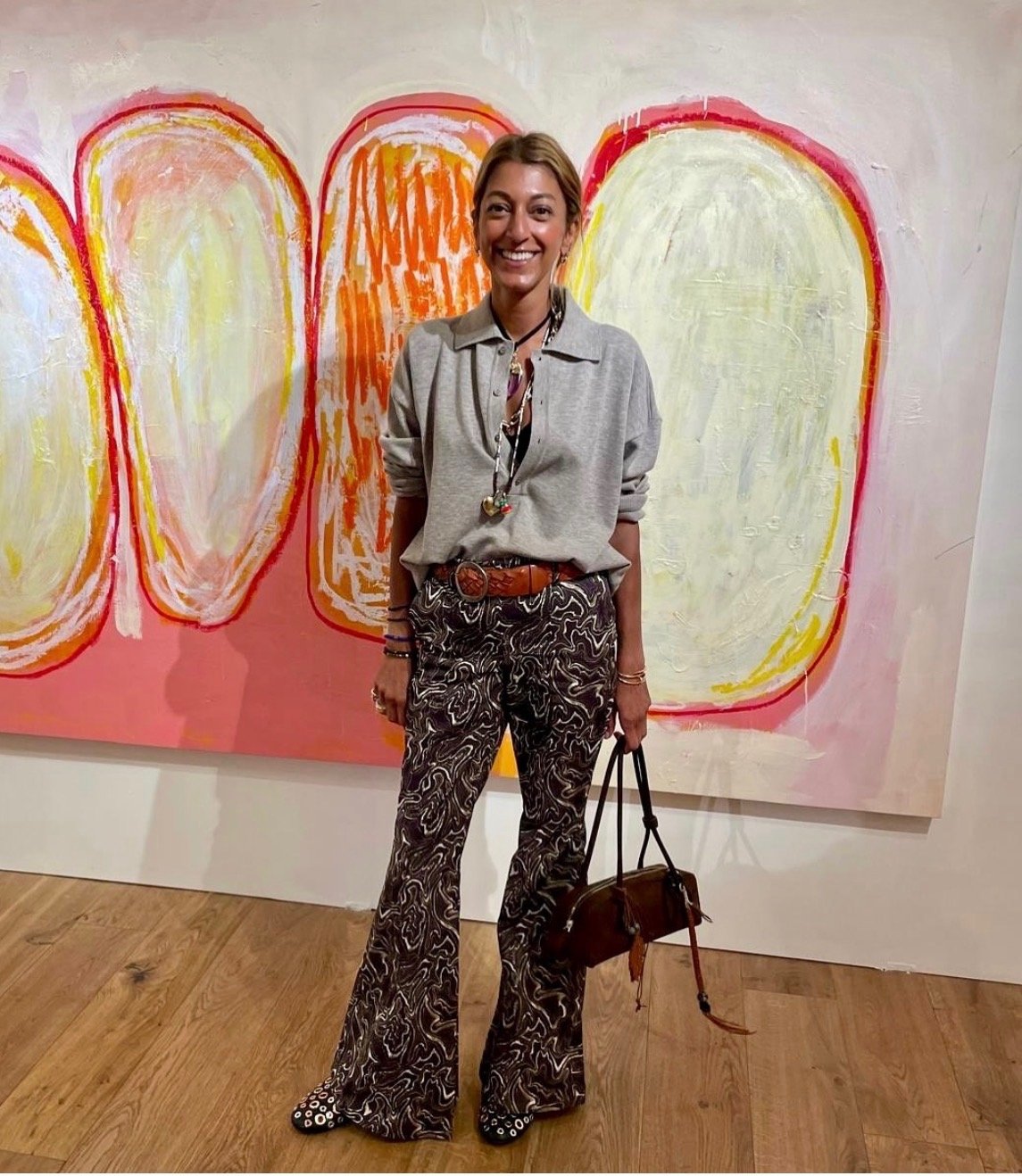
This ability to appreciate different eras, different designers, and different perspectives is perhaps what makes her style feel so contemporary.
She isn’t dressing for a trend cycle.
She is dressing from a personal archive of ideas.
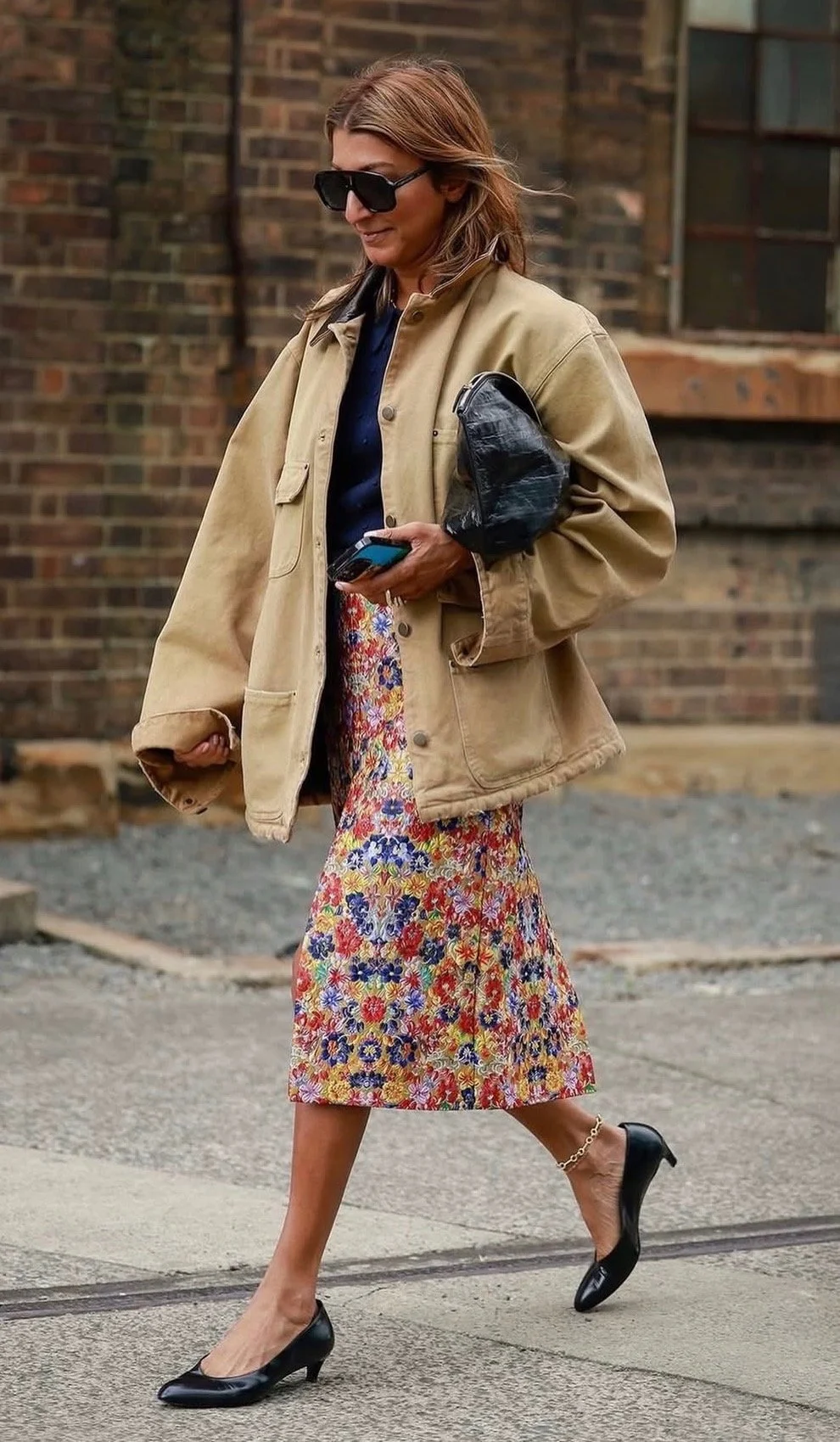
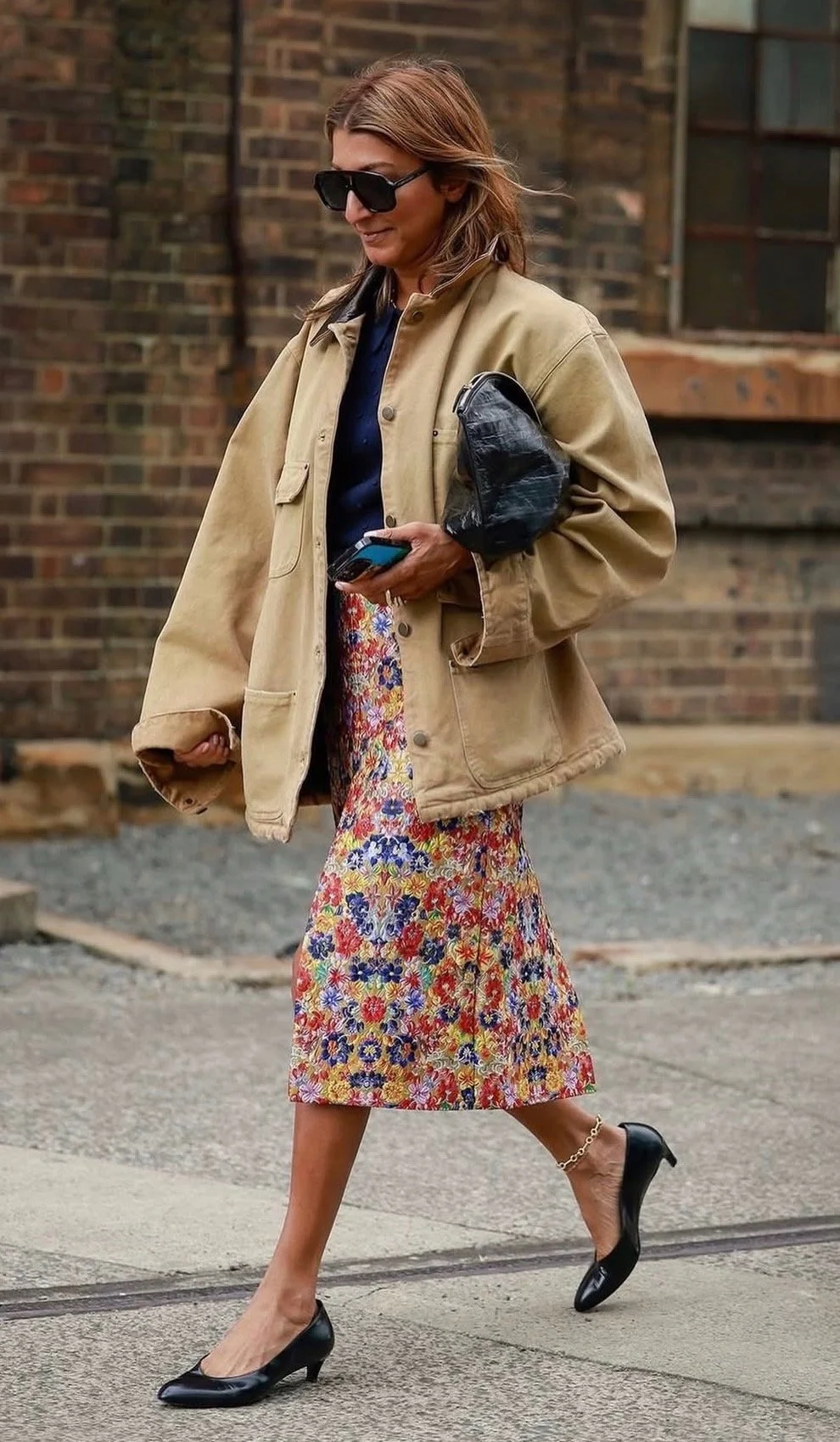
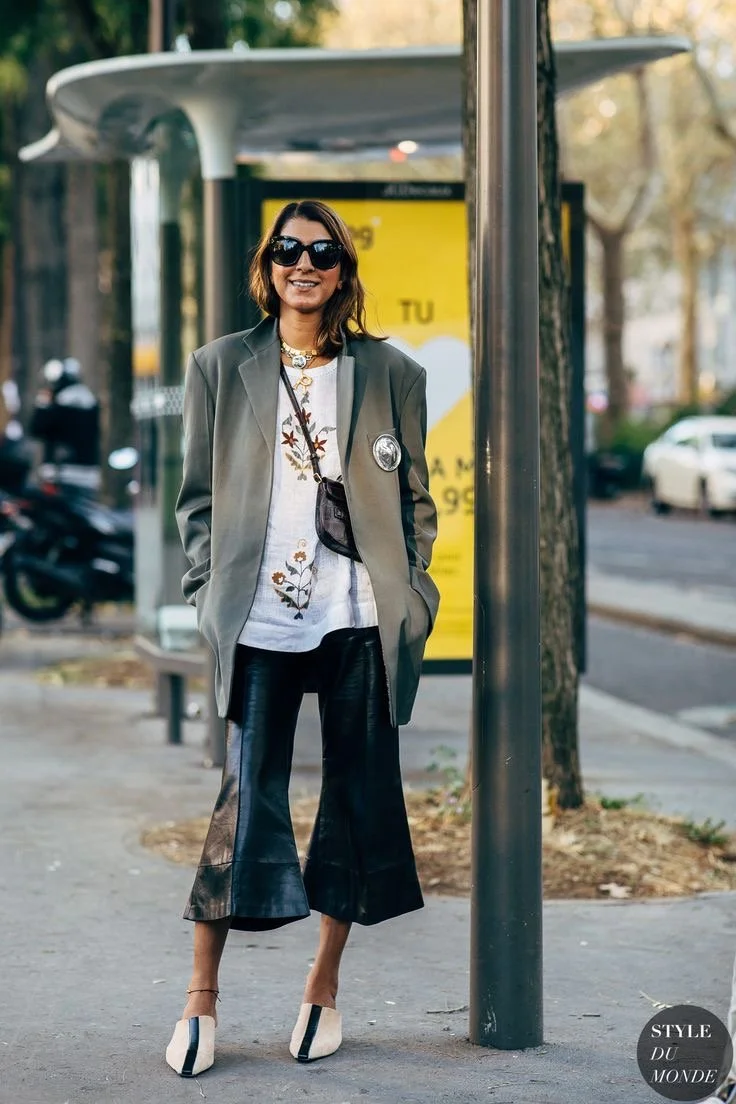
Looking through photographs of Ramya, one quickly notices that there is no formula. One day she pairs a floral skirt with an oversized workwear jacket. Another day she wears architectural tailoring with wide green trousers. A simple black sweater sits next to an expressive printed skirt. Masculine and feminine, vintage and modern, structure and ease constantly exchange places.
Nothing feels forced.
Nothing feels strategic.
And yet everything feels intentional.
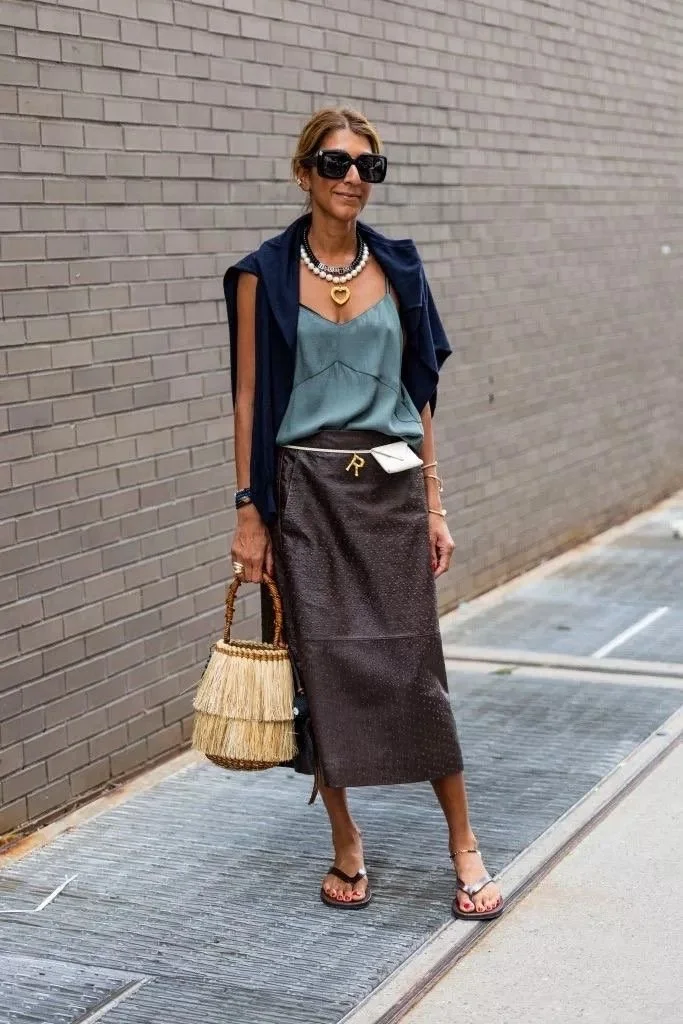
In an industry increasingly driven by algorithms, aesthetics, and trend forecasts, Ramya offers a reminder that personal style is something entirely different.
It cannot be purchased.
It cannot be copied.
It can only be collected over time.
Which is exactly what makes it interesting.