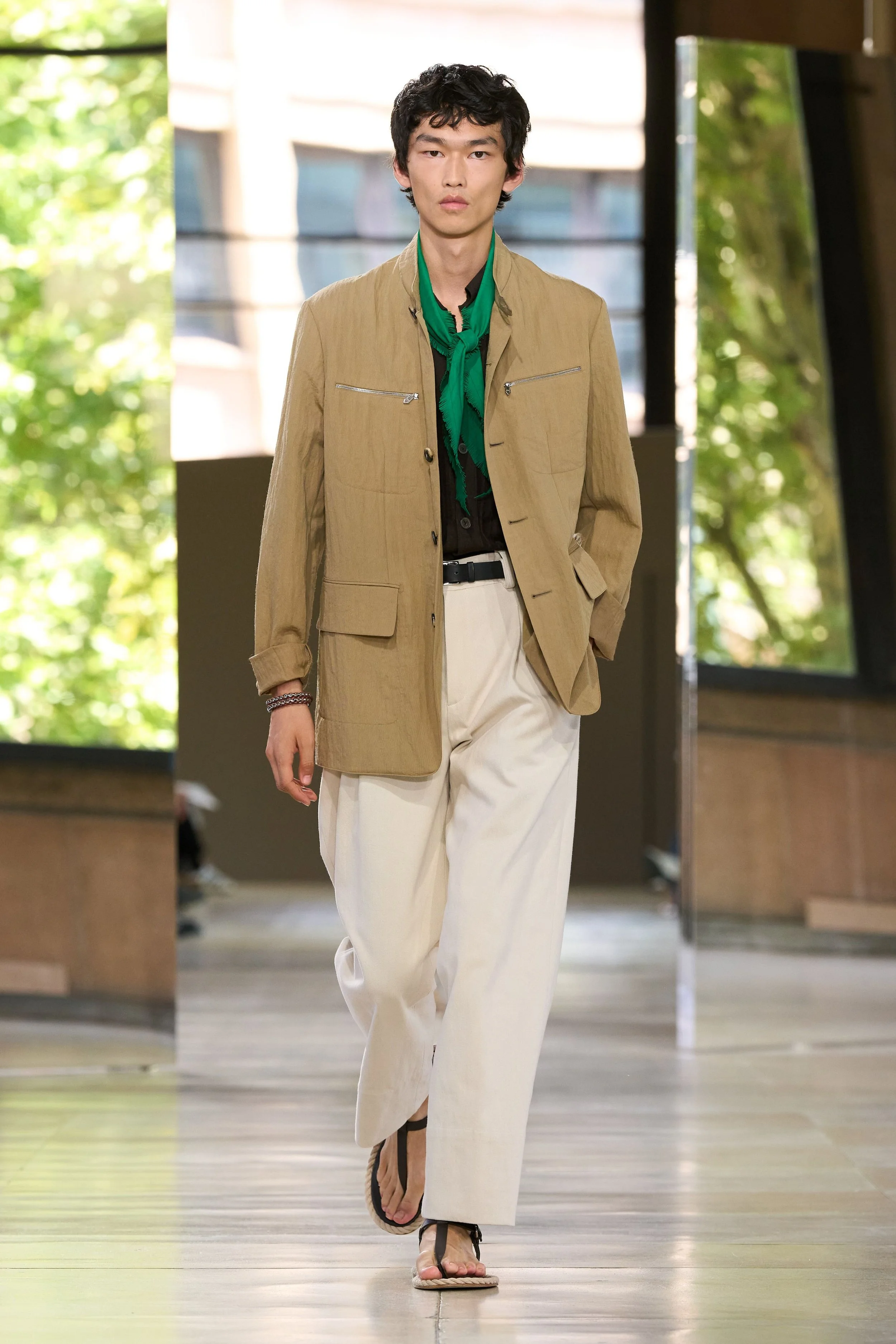
What Does Hermès Couture Look Like…. At least to me!

Hermès entering couture has me thinking about something larger than couture itself. Unlike most luxury houses, Hermès was never built on spectacle. Its desirability came from craftsmanship, equestrian heritage, and objects designed to become part of a person’s life. Which is what makes this moment so fascinating. When most brands launch couture, the vision is relatively easy to imagine: more embroidery, more fantasy, more things that require their own insurance policy. With Hermès, the answer feels far less obvious.
The house has stood at this crossroads before. First with Martin Margiela, then with Jean Paul Gaultier—two designers who changed fashion history in completely different ways. Margiela taught us that restraint could be radical. Gaultier proved that fantasy could be intelligent. Yet somehow, during both eras, nobody at Hermès looked around the room and said, “Perhaps this is the moment for couture.” Looking back, that feels almost impossible. If there was ever a time to do it, one could argue Hermès already had two of the best candidates fashion could offer.
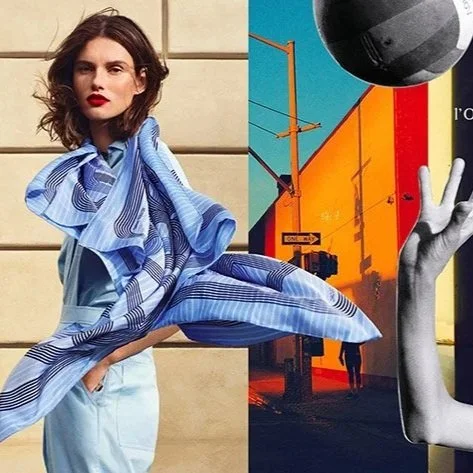
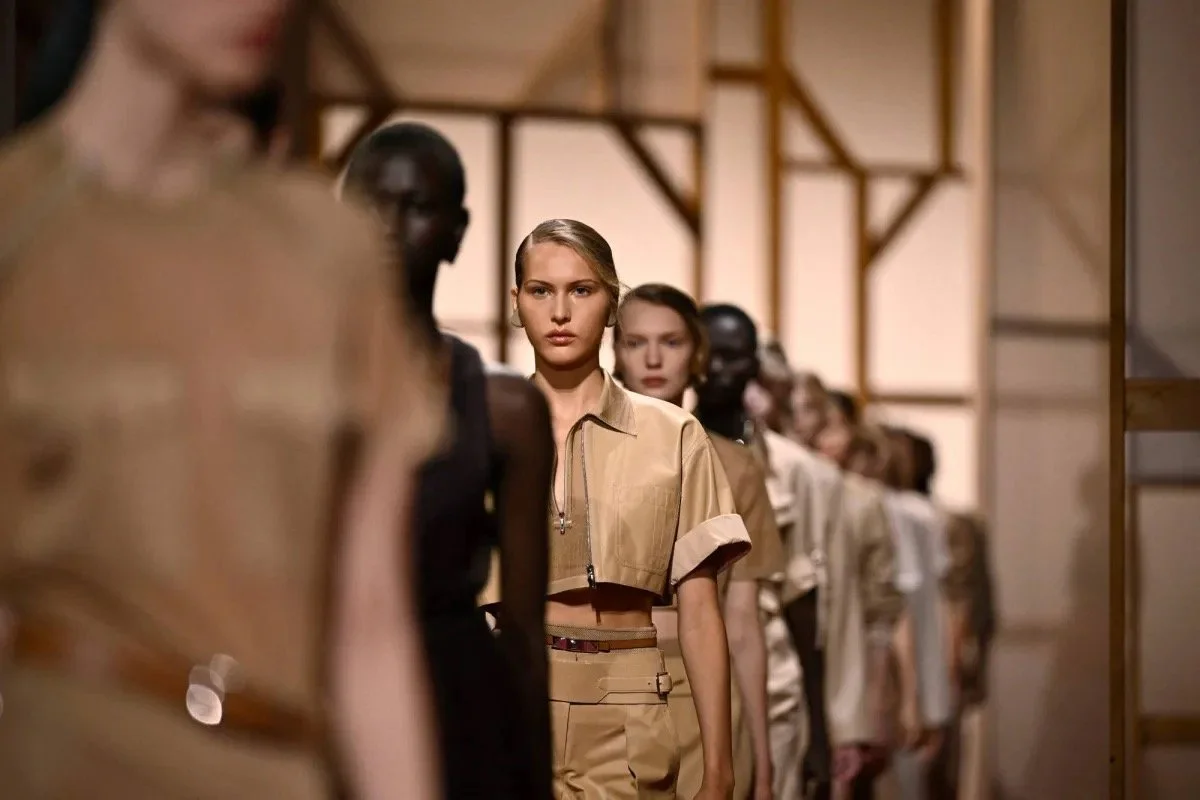
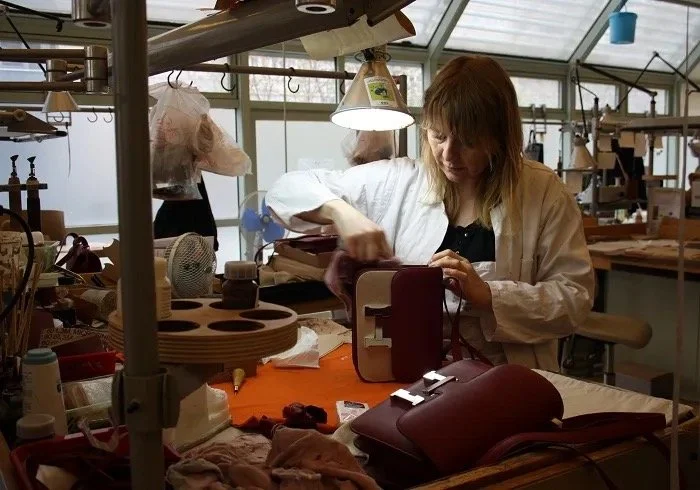
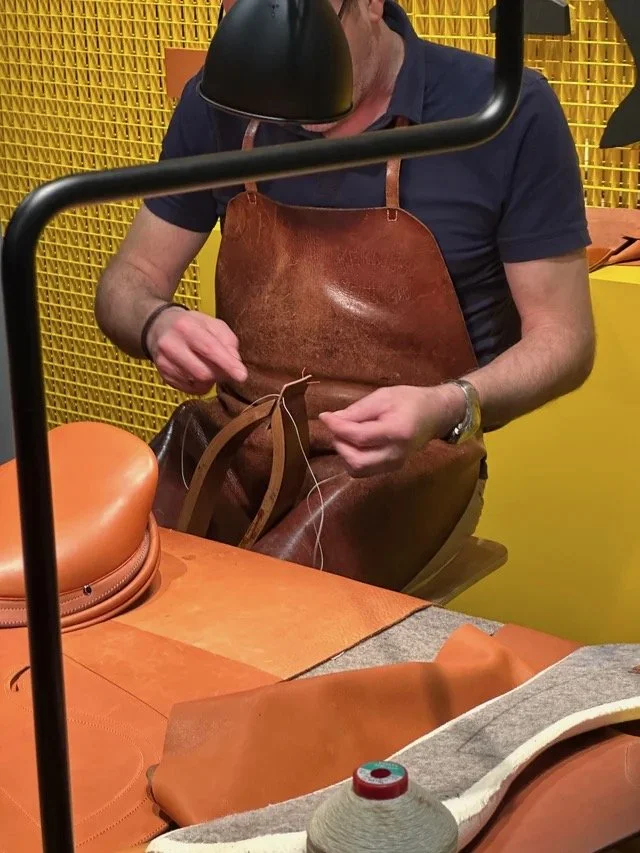
Perhaps that’s because Hermès has always sold a different kind of fantasy. Not the fantasy of the runway, but the fantasy of permanence. A Kelly bag carried for decades. A silk scarf passed from one generation to the next. A wardrobe built slowly, intentionally, over a lifetime. In many ways, Hermès mastered something most luxury brands are still chasing: creating desire through longevity rather than novelty. After all, very few people dream about a runway look from six seasons ago, but plenty of people are still dreaming about a Birkin they put their name down for sometime during the previous administration.
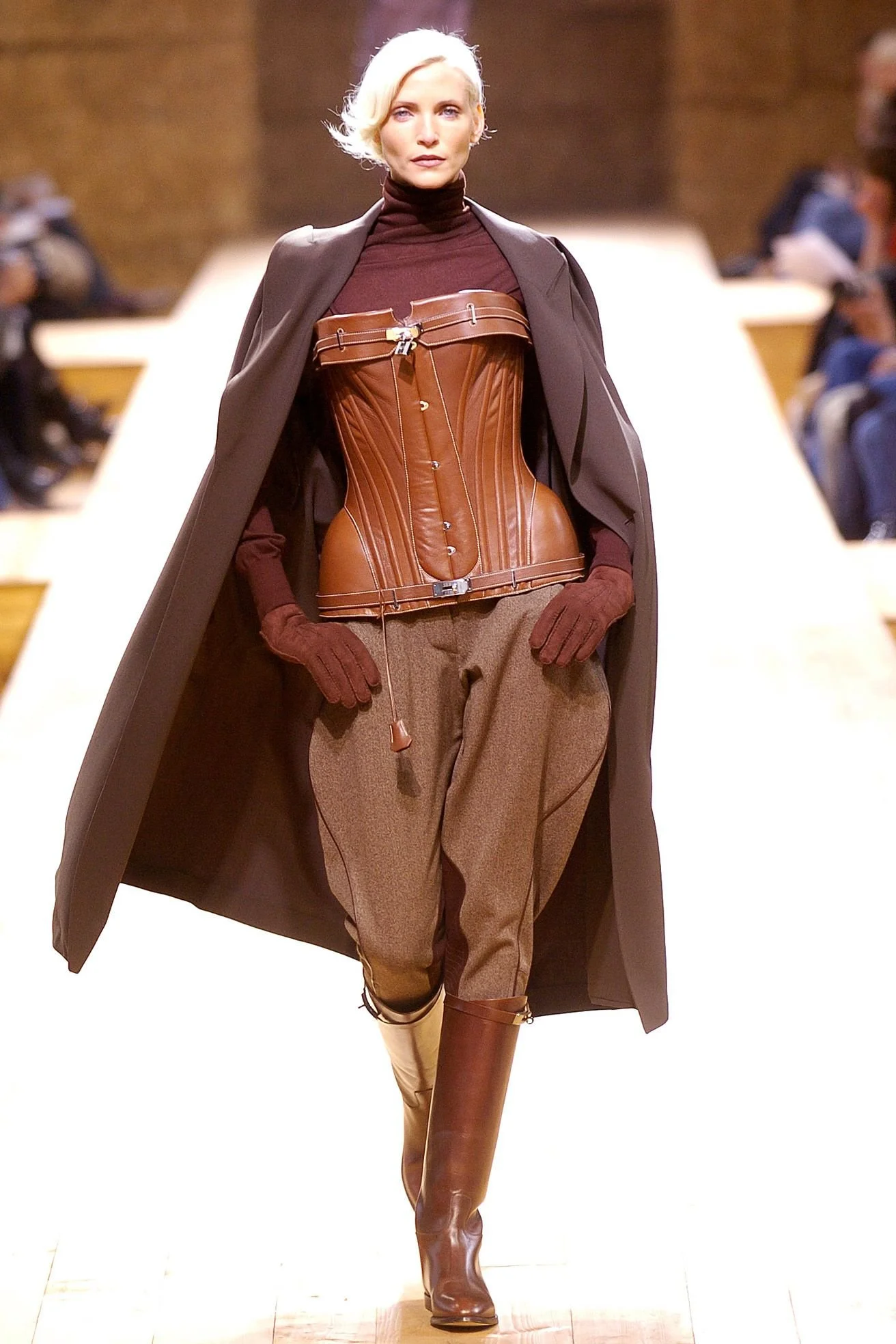
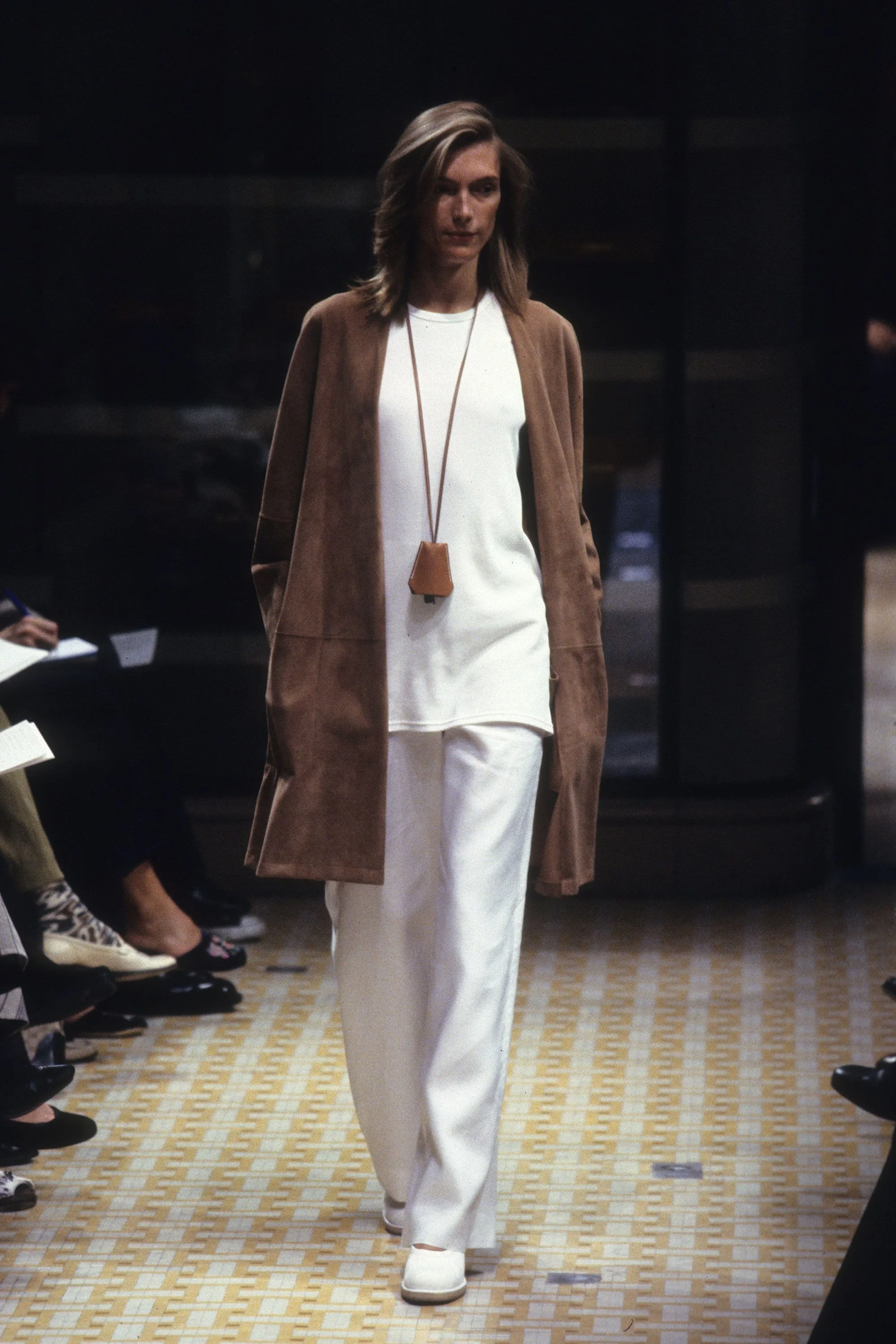
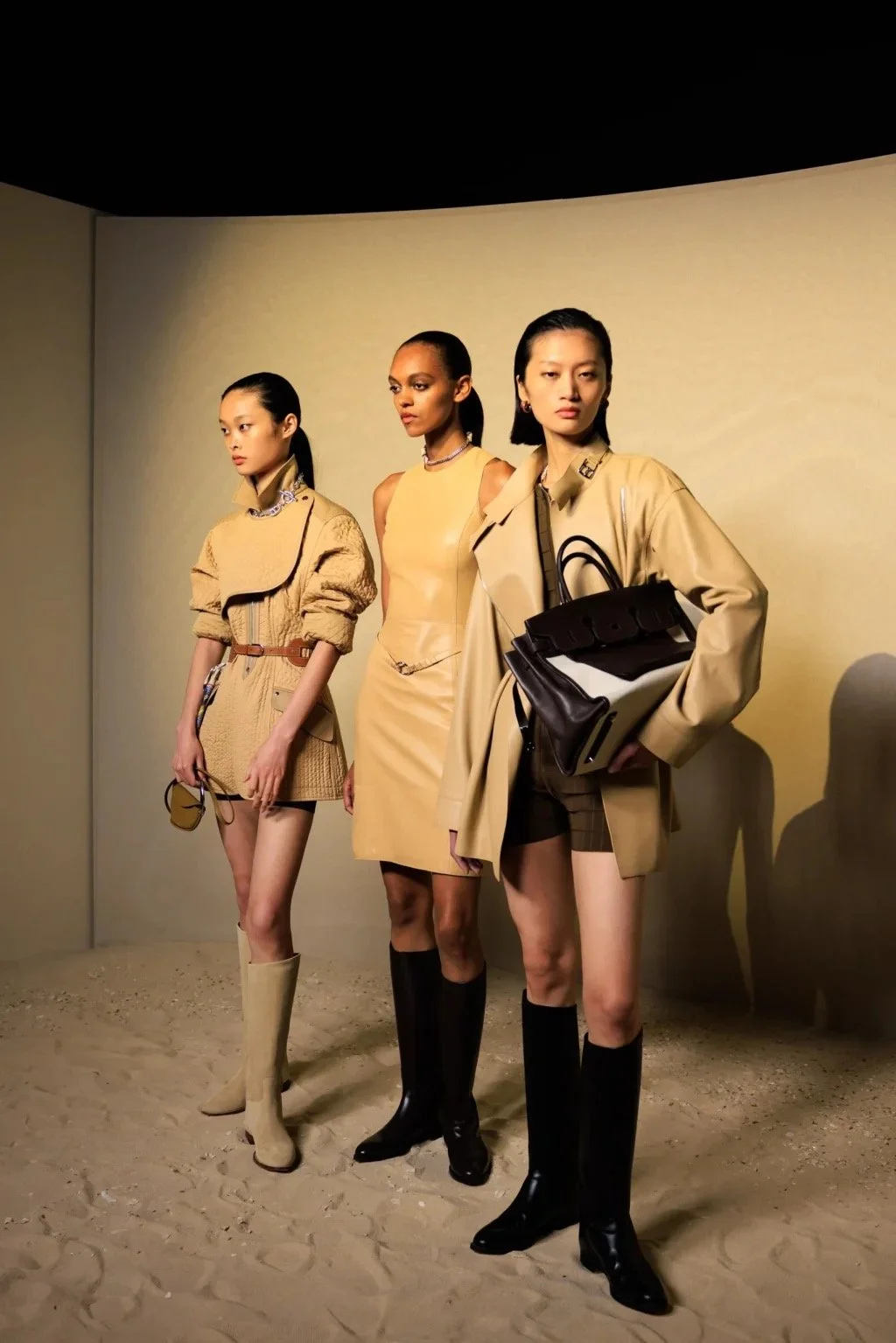
Which raises an interesting question as the house enters couture. Will it embrace traditional ideas of fantasy and occasion dressing, or will it redefine couture through the values that made Hermès iconic in the first place? Could Hermès couture be less about red carpets and more about extraordinary everyday dressing—the world’s most beautiful coat, the perfect leather jacket, or a cashmere sweater so exceptional that people discuss it on the internet as if it were a geopolitical event?
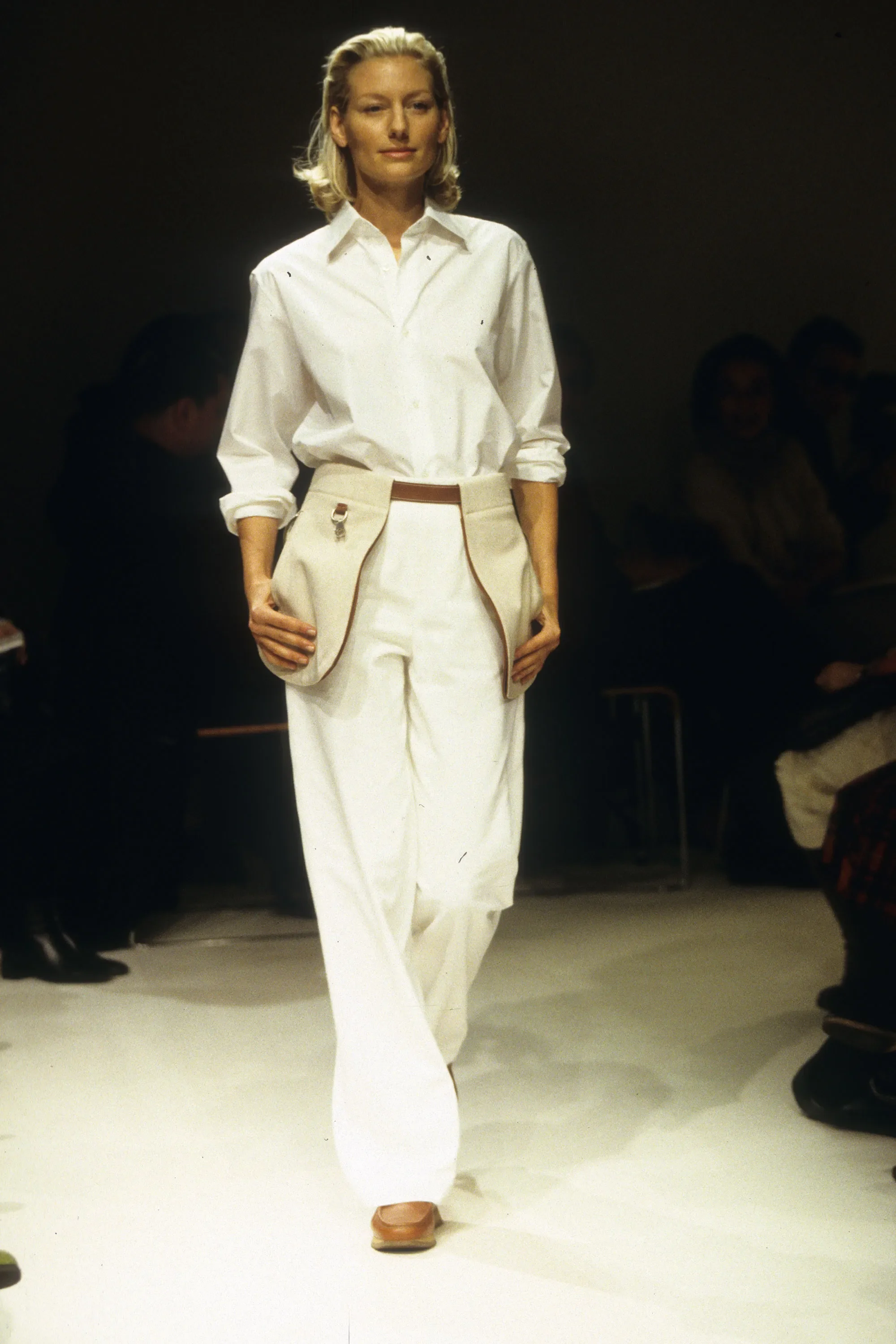
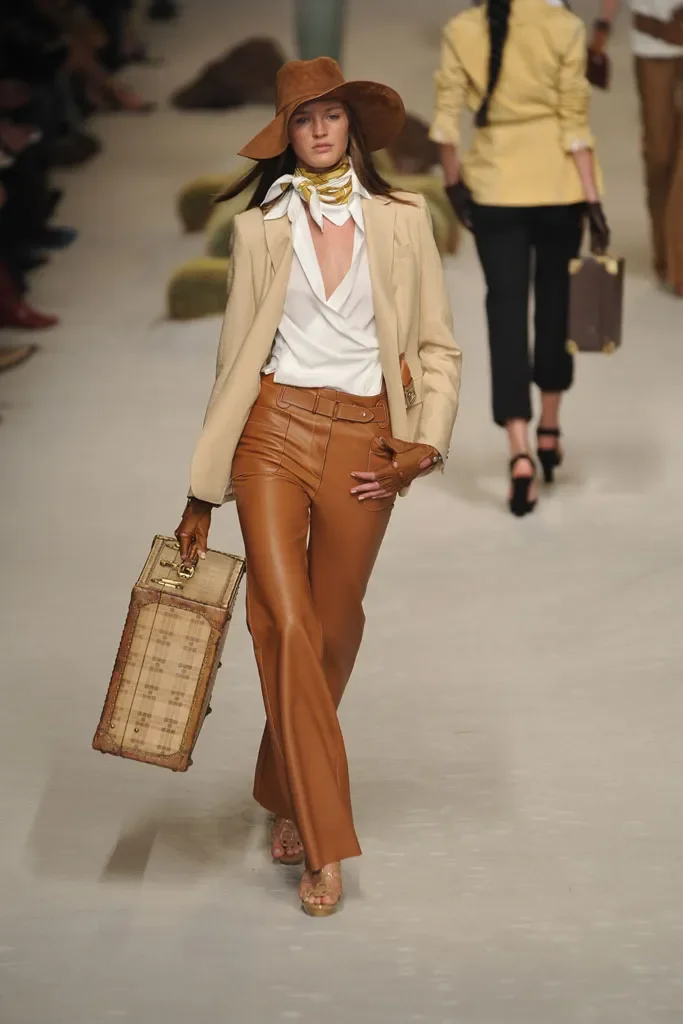
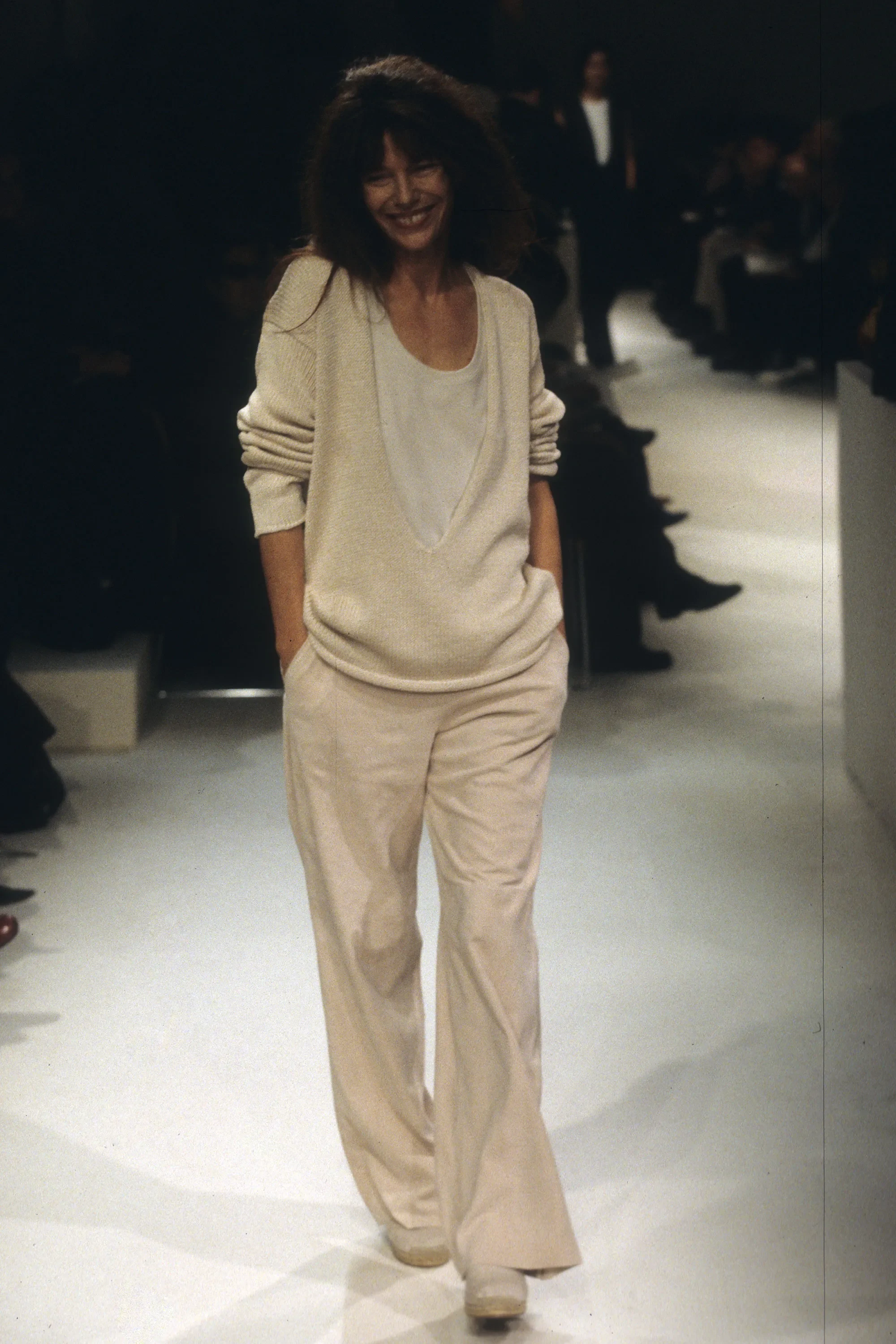
And then, of course, there’s Galliano. Perhaps the most unlikely Hermès designer imaginable. A house built on restraint meeting a designer built on fantasy. We all know the history, the controversy, and the reasons it would probably never happen. Which, in fashion, is usually the first sign that people will spend years talking about it anyway. Not because Galliano at Hermès is likely, but because it forces us to ask a bigger question: should Hermès follow the traditional rules of couture, or should it do what it has always done best and create its own? If Hermès is entering couture, I suspect the most interesting outcome won’t be becoming another couture house. It will be redefining what couture means altogether.